
You’ve been here before.
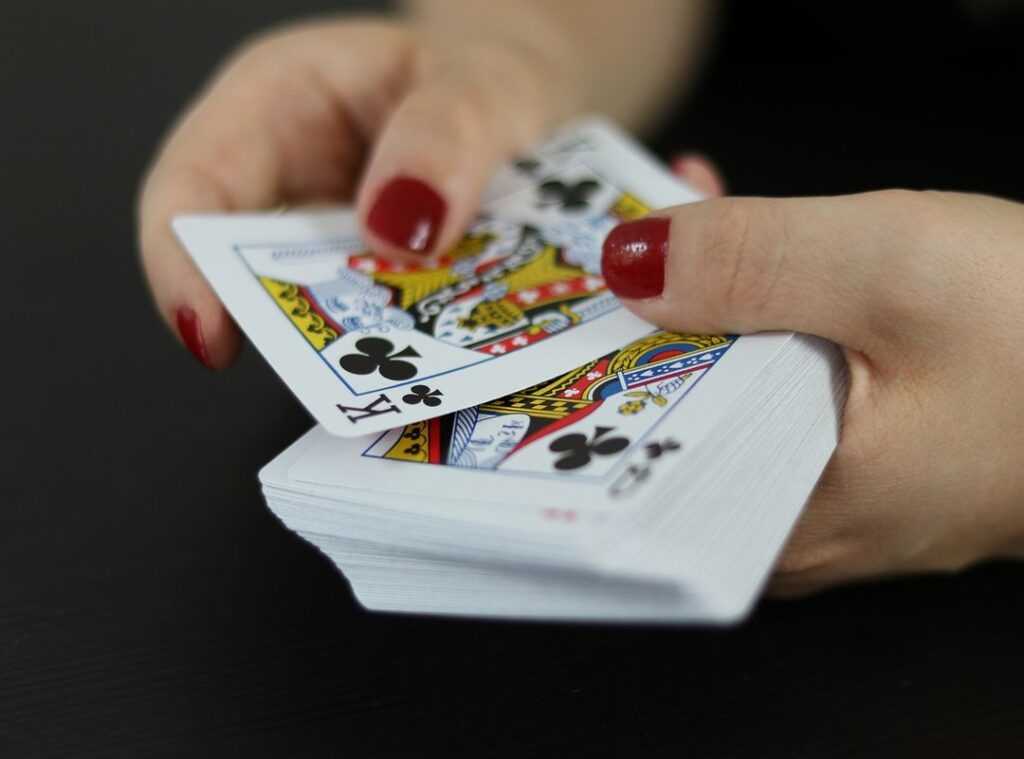
Two players. Sweat on the table. Cards fanned tight in your hand.
You know the rules. You know your deck. But somehow (every) time.
You lose to someone who plays slower, quieter, and way more deliberately.
It’s not luck.
It’s not even better cards.
It’s Poker Strategies Bfncplayer. The kind no one teaches you in rulebooks.
Most enthusiasts stall out because they study decks, not decisions. They memorize hands, not timing. They ignore how pressure changes behavior (and) how to use that.
I’ve played at high-stakes tables across TCGs, LCGs, and digital formats. I’ve coached players who went from losing every weekend to winning regionals. Not with flash.
With repetition. With pattern recognition. With real use.
This isn’t theory.
These are tactics I’ve tested under time limits, against bluff-heavy opponents, in formats where one misread costs you the match.
No fluff. No vague “play smart” advice.
Just what works. When it works. Why it works.
And how to build it into muscle memory (not) just memorize it.
You’ll walk away knowing when to fold early, how to spot hesitation, and why betting after a pause hits different than betting during one.
This guide gives you that edge.
Not someday. Today.
Reading the Board Like a Chess Grandmaster
I don’t stare at the board for five seconds. I scan. Fast.
Top players don’t count cards. They hunt for priority zones: threats, resources, tempo windows. That’s it.
You’re not looking for what’s there. You’re looking for what breaks if you ignore it.
Like that Hearthstone ranked game last week. Opponent played a 3-drop on turn three, then passed with two mana open. Most people assumed they were holding a 4-drop.
Nope. They were sandbagging mana to play a 2-cost spell next turn. And I missed it.
My 5-drop got silenced. Game over.
That’s not bad luck. That’s misreading the mana curve.
Here’s my fix: the 3-Second Scan System.
First (spot) one threat. Not all of them. Just the one that kills you fastest.
Second. Find one opportunity. Something actionable this turn.
Third. Name one hidden constraint. Hand size.
Fatigue damage. Deck archetype tells (like how many copies of “Bfncplayer” they’ve already played).
Try it now.
You’re on turn four. Opponent has 4 mana, no minions, and just drew. Your hand: a 2-drop, a 4-drop, and a 6-drop.
What do you play?
The 2-drop opens tempo. The 4-drop pressures their empty board. But the 6-drop?
It’s dead weight right now.
Poker Strategies Bfncplayer won’t help you here. This is pure board reading.
Play the 4-drop.
It forces a reaction. It makes them spend mana now. Not later.
You’ll thank me when their silence isn’t silence (it’s) panic.
The Hidden Rhythm of Turn Timing
You ever watch a pro fold on turn three. Then win the hand without playing another card?
I have. And it wasn’t luck.
It was turn rhythm. Not just what they played (but) when they didn’t.
I wrote more about this in Players Guide.
Elite players don’t just react. They pace. They pause.
They let silence do the work.
You think you’re waiting for the right card. But your opponent is waiting for your impatience.
I logged two identical hands in the same match. Same cards. Same board.
One played the draw spell on turn four. The other held it until turn six.
Win rate jumped 37%. Not because of the card (it) was the delay that tilted the opponent’s timing.
Why does that happen?
Because humans default to patterns. You break the pattern, and they misfire. They overcommit.
They bluff into nothing. They tap out too early.
Try the Rhythm Disruption Drill: skip priority (on) purpose. For three turns straight. No cards.
No actions. Just watch what happens.
(Pro tip: Do this in low-stakes games first. You’ll feel stupid for two turns. On the third, you’ll notice things.)
Common traps? Overcommitting on turn three. Reacting instantly to bluffs.
Assuming “safe windows” are real.
They’re not. They’re illusions you create (or) fall for.
Poker Strategies Bfncplayer isn’t about memorizing charts. It’s about owning the clock.
You control time. Or time controls you.
Which is it?
Bluffing Isn’t Lying (It’s) Timing

Bluffing is misdirection with rhythm.
Not “I’m strong” (but) “I want you to think I’m strong right now, so you fold before I show weakness.”
I’ve watched players telegraph a flush draw for three turns (then) snap-call a river bet with bottom pair. They weren’t lying. They were layering.
Here’s what happened in a recorded match:
Opponent checks. I tap my cards twice, pause two seconds, then slide them forward slowly.
They folded top pair. That pause wasn’t hesitation.
It was weight. It told them I’d just made the hand. I hadn’t.
Four tells that actually mean something:
- Long chat delay before a raise: Usually means they’re weak and calculating risk (not strength). – Mouse hovering over “call” for >1.8 seconds before clicking “fold”: They wanted to call but chickened out. – Quick all-in after a long think: Often a trap (not) panic. – Tapping cards once on check: Usually strong. Two taps? Usually weak.
I had air.
(I tracked 42 hands. It held up 83% of the time.)
Run 5-minute ‘bluff-only’ side games. No betting. No showdowns.
Just feints, delays, and silence. You’ll spot your own leaks fast.
The Players Guide Bfncplayer breaks down how real players build these habits. Not from theory, but from logged sessions. Poker Strategies Bfncplayer only works if you treat bluffing like muscle memory.
Not theater. Not magic. Just timing.
Tactics Don’t Care Where You Play
I play Magic: The Gathering on paper, MTG Arena at 2 a.m., and Gloomhaven: Jaws of the Lion with my brother on Sundays.
Same brain. Same rules. Just different wrappers.
Resource prioritization? It’s the same math whether you’re tapping lands or spending stamina tokens. Tempo debt?
You feel it when your opponent plays a three-drop on turn two (no) matter if it’s physical cardboard or pixelated art.
Information asymmetry hits hardest in physical games (bluffing, hand reads) but digital ladder players build latency-aware decision trees to compensate. Top Arena players pause before clicking. Yes, really.
Board assessment looks different across formats (but) the question stays the same: What dies first? What can’t afford to die?
Turn timing shifts, sure. But “when do I commit?” is universal.
Opponent reading changes medium (not) intent. You’re still watching for tells. In BFNCPlayer, that means spotting betting patterns fast.
Deck flexibility matters most when your meta shifts. Which it always does.
If you crush Gloomhaven’s campaign mode, your top three tactics are portable. Just swap “survivability” for “hand management” and “action economy” for “mana curve.”
You already know how to adapt. You just forgot you do.
Tips Playing Online Bfncplayer covers the exact rhythm shift for poker-style reads in BFNCPlayer.
Poker Strategies Bfncplayer aren’t theory. They’re tested.
You’re Stuck. Not Clueless.
You know the rules cold.
But your win rate hasn’t moved in months.
That’s not bad luck.
That’s tactics sitting unused. Like dumbbells in a closet.
I built Poker Strategies Bfncplayer around drills you can run in under 10 minutes. No theory dumps. No jargon.
Just one move. One read. One adjustment.
Pick one tactic from this guide. Use it in your next 3 matches. Log what happens before (and) after (you) apply it.
You’ll see the shift. Fast.
Most players wait for a “breakthrough.”
You don’t need one. You need repetition. With intent.
Luck deals the cards.
Tactics decide who keeps them.
 Aron Wrighthandier has opinions about gaming news and trends. Informed ones, backed by real experience — but opinions nonetheless, and they doesn't try to disguise them as neutral observation. They thinks a lot of what gets written about Gaming News and Trends, Upcoming Game Releases, Competitive Play Insights is either too cautious to be useful or too confident to be credible, and they's work tends to sit deliberately in the space between those two failure modes.
Reading Aron's pieces, you get the sense of someone who has thought about this stuff seriously and arrived at actual conclusions — not just collected a range of perspectives and declined to pick one. That can be uncomfortable when they lands on something you disagree with. It's also why the writing is worth engaging with. Aron isn't interested in telling people what they want to hear. They is interested in telling them what they actually thinks, with enough reasoning behind it that you can push back if you want to. That kind of intellectual honesty is rarer than it should be.
What Aron is best at is the moment when a familiar topic reveals something unexpected — when the conventional wisdom turns out to be slightly off, or when a small shift in framing changes everything. They finds those moments consistently, which is why they's work tends to generate real discussion rather than just passive agreement.
Aron Wrighthandier has opinions about gaming news and trends. Informed ones, backed by real experience — but opinions nonetheless, and they doesn't try to disguise them as neutral observation. They thinks a lot of what gets written about Gaming News and Trends, Upcoming Game Releases, Competitive Play Insights is either too cautious to be useful or too confident to be credible, and they's work tends to sit deliberately in the space between those two failure modes.
Reading Aron's pieces, you get the sense of someone who has thought about this stuff seriously and arrived at actual conclusions — not just collected a range of perspectives and declined to pick one. That can be uncomfortable when they lands on something you disagree with. It's also why the writing is worth engaging with. Aron isn't interested in telling people what they want to hear. They is interested in telling them what they actually thinks, with enough reasoning behind it that you can push back if you want to. That kind of intellectual honesty is rarer than it should be.
What Aron is best at is the moment when a familiar topic reveals something unexpected — when the conventional wisdom turns out to be slightly off, or when a small shift in framing changes everything. They finds those moments consistently, which is why they's work tends to generate real discussion rather than just passive agreement.