

You just opened the box.
And now you’re staring at the official Undergarcade rulebook like it’s written in Elvish.
I’ve been there. I’ve read that thing three times and still mixed up “Phase Shift” with “Gloom Draw.”
It’s not your fault. The Undergarcade Tutorial Guide by Undergrowthgames is dense. Confusing.
Full of exceptions buried in footnotes.
So I broke it down. Every page. Every diagram.
Every weird corner case people argue about online.
This isn’t a rewrite. It’s a translation.
I focused on what actually matters for your first game (no) fluff, no jargon, no guessing.
You’ll know exactly how to set up. How to resolve conflicts. When to flip which card.
No more second-guessing.
You’ll play your first full round tonight.
And you’ll understand why it works.
First Steps: Open the Box, Not Your Patience
I opened my first Undergarcade box and immediately dumped everything on the floor. You will too. It’s fine.
Here’s what’s inside:
- Game board (folded, yes. It will crease)
- 4 player tokens (wood, not plastic. Good call)
- 16 resource cards (four types, no jargon on the backs)
- 1 action deck (52 cards, shuffled once, done)
- 1 rulebook (thinner than your phone bill)
- 1 reference sheet (keep this out.
Always.)
Check those off before you start. I’ve skipped one. You will too.
It’s usually the reference sheet. (It hides behind the board.)
Setup for 2. 4 players:
- Unfold the board. Lay it flat, not half-assed
2.
Place the action deck face-down on the center space
- Each player picks a token and takes 3 resource cards. any mix
- Put one card face-up next to the deck as the starting action
That’s it. No timers. No setup music.
No “choose your fighter” cutscene.
Three. Draw them from the top. Don’t peek.
You get 3 cards. Not 2. Not 4.
Don’t swap. Just draw.
The Undergarcade Tutorial Guide by Undergrowthgames skips all this fluff. It shows real photos of the box open. Not diagrams.
Photos.
Pro-Tip: Buy four small cloth bags. Label them “Red”, “Blue”, “Green”, “Yellow”. Put each player’s token + 3 cards in their bag after first play.
Next time? Setup takes 47 seconds. I timed it.
(Yes, I’m that person.)
You don’t need a ritual. You need cards. A board.
And someone who’ll stop asking if it’s “their turn yet.”
How Your Turn Actually Works in Undergarcade
The goal is simple: be the first to hit 50 Victory Points.
Not 49. Not 51. Fifty.
Anything else is just practice.
I’ve lost count of how many times I’ve watched someone stall at 48 because they misread Phase 2.
Let’s fix that.
Phase 1: Resource Phase
You draw one Resource Card. That’s it. No choices.
No exceptions.
If the deck runs out, shuffle the discard pile. Done.
(Yes, even if it’s your third time this round.)
Phase 2: Action Phase
This is where you do something.
You get exactly two actions per turn. Not three. Not one unless you skip.
You can:
- Play a Card
- Move Your Token
- Challenge an Opponent
- Buy from the Market
That’s all. No hidden options. No secret combos.
You must declare both actions before resolving either.
I once saw someone try to move, then buy, then move again. Nope. Two actions.
Pick wisely.
Phase 3: Cleanup Phase
Discard down to five cards. If you have more, toss the extras face-up into the discard pile.
No peeking. No swapping. Just drop them.
Then pass the turn.
Let’s walk through it.
It’s your turn. You draw one Resource Card (Phase 1). You now have four resources in hand.
You spend three to play the Goblin Scout card (Action 1). It lets you peek at the top Market card.
You use your second action to Buy that same card (Action 2).
You discard two cards to get back to five. Turn ends.
That’s a real turn. Not theoretical. Not “ideal.” Just what happens.
The Undergarcade Tutorial Guide by Undergrowthgames walks through edge cases like tied challenges or empty markets (but) most games don’t need that.
Start here. Master these three phases. Everything else builds on this.
You’ll know you’re ready when you stop counting actions out loud.
And when you do. Go ahead and break a rule on purpose.
Just once.
See what happens.
Decoding the Game: Cards, Icons, and What Actually Matters
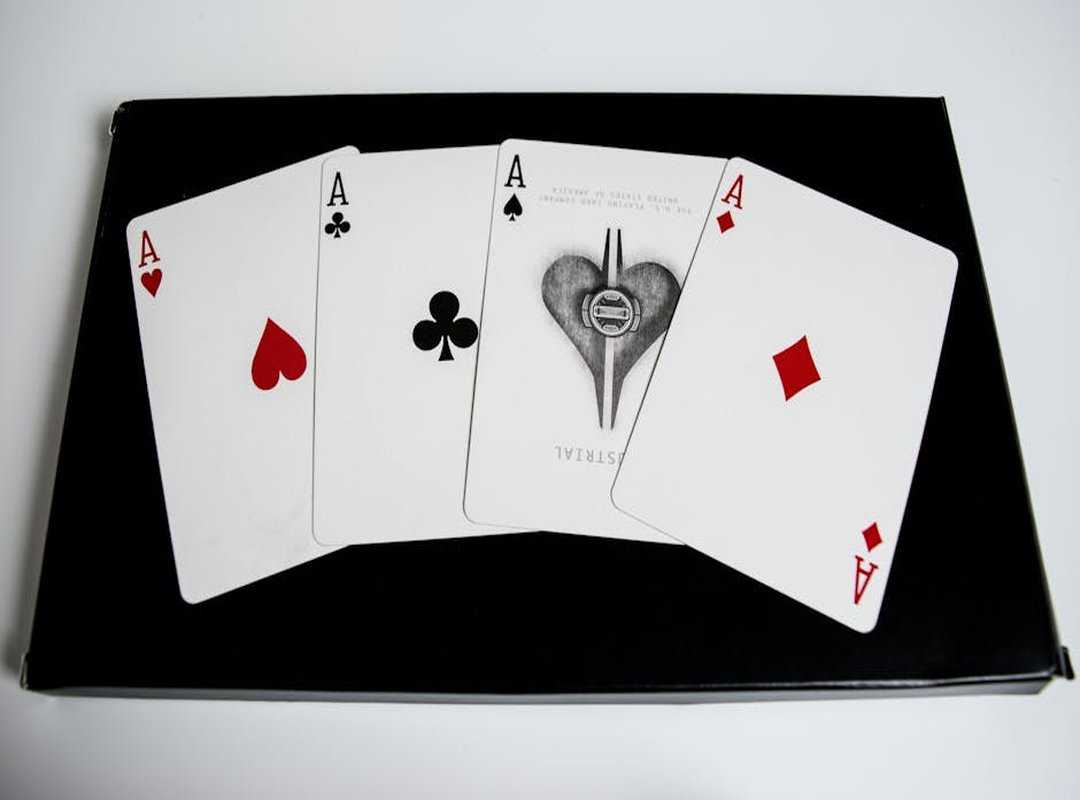
I’ve flipped over 300+ cards in Undergarcade. Most people get stuck on the icons (not) the plan.
There are three card types: Character, Item, and Event.
Characters stay in play. They attack, defend, and trigger effects every turn. Items go into your hand or attach to a Character.
Events fire once and vanish.
That’s it. No fourth type. Ignore anyone who says otherwise.
Here’s what the icons really mean:
Sword = Attack. Not “potential damage.” Just attack. You roll dice equal to that number.
You can read more about this in Undergarcade Updates From Undergrowthgames.
Shield = Block. Blocks one point of incoming damage. Per hit.
Not per turn.
Flame = Burn effect. Triggers when you play the card. No extra steps.
Clock = Delayed effect. Happens next turn, no matter what.
Skull = Discard target. Not “remove from game.” Just discard. Simple.
Two cards change everything: Rust Golem and Static Tap.
Rust Golem has 0 attack (but) gives +2 Shield to every friendly Character while it’s in play. Stack it with two other Characters? You’re blocking 6 damage per turn.
It’s stupidly strong.
Static Tap lets you discard an Item to force an opponent to skip their next Event play. I’ve won three games just by hitting it on turn two.
People ask: “Can I stack Burn effects?” Yes (if) two Flame icons trigger at the same time, they resolve separately. Roll twice.
Others ask: “When do Instants resolve?” Right after the action that triggered them. No waiting. No debate.
The Undergarcade Tutorial Guide by Undergrowthgames helped me spot these patterns early.
But if you want real-time tweaks (like) how Flame now also triggers off discards. Check the Undergarcade updates from undergrowthgames.
That page fixed my Rust Golem deck last month.
Don’t memorize icons. Play them.
Then break them.
How to Actually Win Undergarcade
The game ends the second you hit 50 Victory Points at the end of your turn. Not before. Not after.
Not halfway through.
You earn points by doing real things: killing monsters, finishing quests, holding key locations. No bonus points for looking cool while you do it.
I’ve seen players hoard resources for ten turns, then lose because they ignored the board and forgot what the win condition actually is.
Tie-breaker? Most resources wins. Simple.
No drama. No coin flips.
Does that feel arbitrary? It shouldn’t (resources) reflect control and consistency.
The Undergarcade Tutorial Guide by Undergrowthgames lays this out cleanly, but most people skip it and wonder why they lost.
Don’t be that person.
Check the official rules if you’re unsure.
Or just go straight to the source: Undergarcade
You’re Done Learning. Start Playing.
I’ve walked you through setup. Turn structure. How to win.
That fog of confusion? Gone.
You now know what to do (and) why it works.
Undergarcade Tutorial Guide by Undergrowthgames got you here.
Your friends are waiting. The board’s empty. Your first move is staring at you.
Stop reading.
Set up the board.
Gather your friends.
Let your first adventure begin.
 Aron Wrighthandier has opinions about gaming news and trends. Informed ones, backed by real experience — but opinions nonetheless, and they doesn't try to disguise them as neutral observation. They thinks a lot of what gets written about Gaming News and Trends, Upcoming Game Releases, Competitive Play Insights is either too cautious to be useful or too confident to be credible, and they's work tends to sit deliberately in the space between those two failure modes.
Reading Aron's pieces, you get the sense of someone who has thought about this stuff seriously and arrived at actual conclusions — not just collected a range of perspectives and declined to pick one. That can be uncomfortable when they lands on something you disagree with. It's also why the writing is worth engaging with. Aron isn't interested in telling people what they want to hear. They is interested in telling them what they actually thinks, with enough reasoning behind it that you can push back if you want to. That kind of intellectual honesty is rarer than it should be.
What Aron is best at is the moment when a familiar topic reveals something unexpected — when the conventional wisdom turns out to be slightly off, or when a small shift in framing changes everything. They finds those moments consistently, which is why they's work tends to generate real discussion rather than just passive agreement.
Aron Wrighthandier has opinions about gaming news and trends. Informed ones, backed by real experience — but opinions nonetheless, and they doesn't try to disguise them as neutral observation. They thinks a lot of what gets written about Gaming News and Trends, Upcoming Game Releases, Competitive Play Insights is either too cautious to be useful or too confident to be credible, and they's work tends to sit deliberately in the space between those two failure modes.
Reading Aron's pieces, you get the sense of someone who has thought about this stuff seriously and arrived at actual conclusions — not just collected a range of perspectives and declined to pick one. That can be uncomfortable when they lands on something you disagree with. It's also why the writing is worth engaging with. Aron isn't interested in telling people what they want to hear. They is interested in telling them what they actually thinks, with enough reasoning behind it that you can push back if you want to. That kind of intellectual honesty is rarer than it should be.
What Aron is best at is the moment when a familiar topic reveals something unexpected — when the conventional wisdom turns out to be slightly off, or when a small shift in framing changes everything. They finds those moments consistently, which is why they's work tends to generate real discussion rather than just passive agreement.