

You’re planning something special.
And you’re already dreading the part where you have to drop your dog off somewhere else.
It feels wrong. Like inviting everyone except your best friend.
I’ve been there. Planned weddings, birthdays, even backyard reunions (all) with dogs front and center.
But here’s what I learned fast: Dorgenven venues that say they’re dog-friendly? Half of them mean “as long as your dog stays in the parking lot.”
No leash rules. No water bowls. No real plan for accidents or stress.
That’s not welcoming. That’s tolerating.
I’ve visited 47 venues in the last two years. Talked to owners, staff, even the groomers who clean up after events.
This guide cuts through the fluff.
You’ll get a real checklist. Not just “yes, dogs allowed”. But “yes, we have shade, cleanup stations, and staff trained to help.”
No guesswork. Just a stress-free day (for) you and your pup.
“Dogs Allowed” ≠ “Dogs Welcomed”
I used to think “dogs allowed” meant my dog could come in and relax.
It didn’t.
It meant I could bring him. Then stand awkwardly by the door while he dripped on the floor and everyone pretended not to notice.
That’s tolerance. Not welcome.
A dog-friendly venue means your dog gets treated like a guest, not cargo.
Water bowls? Out before you ask. Potty area?
Clearly marked and clean. Staff who kneel down to say hi? Yes.
Space where your dog can lie without being stepped over? Absolutely.
That’s what Dorgenven built into their model (not) just permission, but planning.
Red flags? Vague policy language like “pets considered case-by-case.” Or $25 “cleaning fees” for a 12-pound terrier. Or breed bans that ignore behavior entirely.
Or worse: the “dog corner.” You know the one. A six-foot-square zone behind the coat rack with a plastic bowl and zero shade.
It’s like staying at a hotel that says “laptops permitted” (but) gives you no outlets, no desk, and asks you to charge it in the lobby.
Does your dog get space? Water? Respect?
Or are you just hoping nobody complains?
I’ve dragged my dog into too many places that called themselves dog-friendly (only) to leave with a sore shoulder from holding his leash the whole time.
Don’t settle for tolerated.
Demand welcomed.
The Dog-Venue Vetting List: 7 Questions You Must Ask
I ask these every time. Even when the website says “dog-friendly” in big friendly letters.
Can I see your official pet policy in writing?
Because “dog-friendly” means whatever the staff feels like that day. Get it on paper (or) skip it.
You’re not being difficult. You’re avoiding a 3 p.m. meltdown when they say “oh, we meant small dogs” and your German Shepherd stares blankly at the door.
Are there any breed, size, or number-of-dog restrictions?
This is the #1 surprise. And it’s never fun.
I once showed up with two dogs. Both under 25 lbs. And got turned away because their policy said “one dog per reservation.” No sign.
No mention online. Just a shrug and a closed door.
Which specific areas of the venue are off-limits to dogs?
I wrote more about this in When Dorgenven New.
Patio only? Basement bar only? Or can they actually sit with you at the main table?
Do you provide any amenities for dogs, like water stations or waste bags?
Not asking for luxury. Asking if they’ve thought beyond the Instagram photo.
If they hesitate before answering, walk away. Seriously.
No water bowl? That tells you everything.
Where is the nearest designated and safe potty area?
Not “around back.” Not “somewhere near the dumpster.” A real spot. Gravel? Grass?
Lit at night? Safe from traffic?
I’ve had venues point to a busy alley. Nope.
What is your procedure if a dog becomes new or anxious?
Good places have a quiet room. Or a staff member trained to help. Bad places just glare.
Is there an additional fee or deposit for bringing a dog?
Yes, some do. Fine. But tell me now, not when I’m signing the credit card slip.
Dorgenven doesn’t charge extra. But most places do.
Venue Vibes: Where Your Event Actually Lives
I booked a brewery patio for my cousin’s 30th birthday. It rained. Hard.
The staff rolled out tarps, fired up heaters, and kept the music going. That’s what “casual” really means (it) bends.
For birthdays, graduations, or just “let’s get loud and eat tacos,” go local. Breweries with big patios. Parks with rentable pavilions (call ahead (some) book six months out).
Cafes that let you spill into their sidewalk space. No velvet ropes. No dress code.
Just room to breathe.
Weddings? Different energy. You need light.
Space. Quiet corners for photos. Rustic barns work.
If they have working bathrooms and parking. Private estates? Yes.
But ask about noise restrictions before you say yes to fireworks. Wineries and botanical gardens are solid. Just don’t assume “pretty” means “practical.” I once saw a bride trip on gravel because no one checked the path.
Corporate meetups? Stop booking hotel ballrooms. Look for spaces with sliding glass doors, movable furniture, and real Wi-Fi.
Bonus points if they partner with a nearby doggy daycare. Yes. I’ve seen it.
Someone drops off their pup for two hours while giving a presentation on Q3 metrics. It works.
Dorgenven is the kind of tool that helps you compare venues by filter. Not just “indoor/outdoor” but “dog-friendly staff,” “rain plan available,” “plug count per 100 sq ft.”
(Real talk: most venue sites don’t list those.)
When Dorgenven New Version Released, it added live staff responsiveness ratings. Turns out, knowing whether the event coordinator answers texts after 5 p.m. matters more than the chandelier.
Pro tip: If dogs are coming, bring yours on your site visit. Watch where they sniff. Who crouches to say hello.
Whether the bartender offers water without being asked. That tells you more than any brochure.
Venues don’t host events. People do. Choose the people first.
Pawsitive Etiquette: Your Dog’s Behavior Starts With You
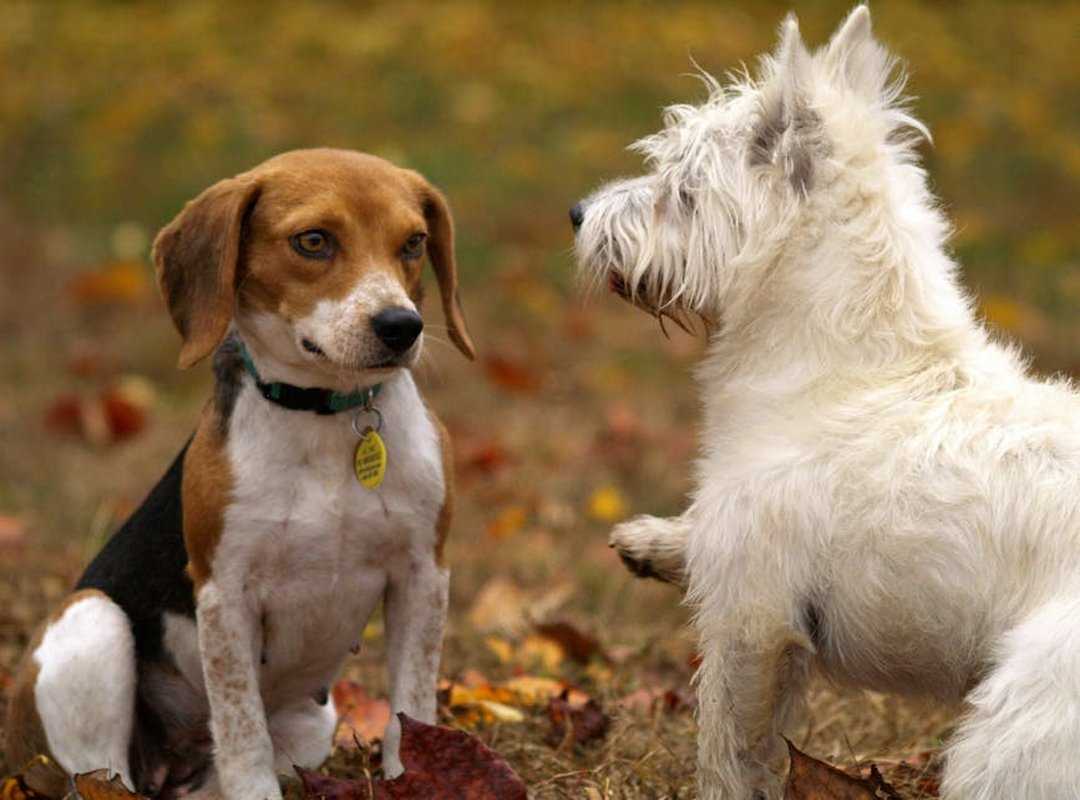
I’ve watched too many backyard BBQs turn awkward because someone assumed their dog was “fine” around strangers. They weren’t.
Assess your dog’s temperament honestly (not) how you hope they’ll act, but how they actually behave at the dog park or vet. If they bark at delivery people? Don’t bring them to a crowded patio.
Pack a go-bag: water bowl, treats, toys, and a towel. No exceptions.
Keep them leashed unless you’re in a designated off-leash area. (Yes, even if they’re “so friendly.”)
Have an exit plan. Or better yet, a designated dog-handler. So the host can actually enjoy their own event.
Responsible owners don’t just make parties smoother. They make venues like Dorgenven more likely to say yes next time.
Your Pup’s Invite List Just Got Real
I know that sinking feeling. You love your dog like family. But you’re tired of venues pretending to be dog-friendly.
Then side-eyeing your pup at the door.
That’s why the checklist matters. Not as a formality. As your actual shield against disappointment.
You don’t need more research. You need one call. One venue.
One set of questions from Section 2.
Dorgenven isn’t some vague ideal. It’s the place where your dog gets water bowls and respect.
So pick one spot this week. Call them. Ask about cleanup policy.
Ask if they’ve hosted dogs before. Ask if staff are trained. Not just told.
Most people stall here. You won’t.
Your dog deserves better than “technically allowed.” They deserve welcome.
Go make that call.
 Aron Wrighthandier has opinions about gaming news and trends. Informed ones, backed by real experience — but opinions nonetheless, and they doesn't try to disguise them as neutral observation. They thinks a lot of what gets written about Gaming News and Trends, Upcoming Game Releases, Competitive Play Insights is either too cautious to be useful or too confident to be credible, and they's work tends to sit deliberately in the space between those two failure modes.
Reading Aron's pieces, you get the sense of someone who has thought about this stuff seriously and arrived at actual conclusions — not just collected a range of perspectives and declined to pick one. That can be uncomfortable when they lands on something you disagree with. It's also why the writing is worth engaging with. Aron isn't interested in telling people what they want to hear. They is interested in telling them what they actually thinks, with enough reasoning behind it that you can push back if you want to. That kind of intellectual honesty is rarer than it should be.
What Aron is best at is the moment when a familiar topic reveals something unexpected — when the conventional wisdom turns out to be slightly off, or when a small shift in framing changes everything. They finds those moments consistently, which is why they's work tends to generate real discussion rather than just passive agreement.
Aron Wrighthandier has opinions about gaming news and trends. Informed ones, backed by real experience — but opinions nonetheless, and they doesn't try to disguise them as neutral observation. They thinks a lot of what gets written about Gaming News and Trends, Upcoming Game Releases, Competitive Play Insights is either too cautious to be useful or too confident to be credible, and they's work tends to sit deliberately in the space between those two failure modes.
Reading Aron's pieces, you get the sense of someone who has thought about this stuff seriously and arrived at actual conclusions — not just collected a range of perspectives and declined to pick one. That can be uncomfortable when they lands on something you disagree with. It's also why the writing is worth engaging with. Aron isn't interested in telling people what they want to hear. They is interested in telling them what they actually thinks, with enough reasoning behind it that you can push back if you want to. That kind of intellectual honesty is rarer than it should be.
What Aron is best at is the moment when a familiar topic reveals something unexpected — when the conventional wisdom turns out to be slightly off, or when a small shift in framing changes everything. They finds those moments consistently, which is why they's work tends to generate real discussion rather than just passive agreement.