

Aesthetic visuals can make or break your content. It’s that simple. If you’re not paying attention to how your stuff looks, you’re missing out.
I see it all the time. Creators pour their hearts into writing but neglect the visual side. Then they wonder why no one’s engaging.
This article is here to change that, and we’ll dive into practical tips and strategies. You’ll learn how to create dark:ih71b_rxy_k= imagenes aesthetic that grab attention and keep it.
Trust me, I’ve done my homework, and this isn’t just fluff. It’s backed by research and insights from experts who know what they’re talking about.
So, are you ready to transform your content? Let’s get started.
Understanding Aesthetic Visuals: The Basics
Aesthetic visuals are all about making things look good. They’re important because they can grab your attention and keep you engaged.
Definition: What are aesthetic visuals and why are they important?
Aesthetic visuals are design elements that make content visually appealing. They matter because they can influence how people perceive and interact with your content. Simple as that.
Impact on Engagement: How visual aesthetics influence user behavior and content performance.
When something looks good, people are more likely to stick around. It’s human nature. Good visuals can boost engagement, increase shares, and even drive conversions.
Think about it—when was the last time you shared a post just because it looked cool?
Key Elements: Color, composition, typography, and imagery.
Color sets the mood, and composition guides the eye. Typography makes text readable and stylish.
Imagery tells a story. Each of these elements works together to create a cohesive and attractive visual experience.
CAPS
Dark:ih71b_rxy_k= imagenes aesthetic
Understanding these basics can help you create content that stands out. Whether you’re designing a website, a social media post, or a presentation, aesthetic visuals can make a big difference.
Choosing the Right Colors for Your Visuals
When it comes to visuals, color is a big deal. Color Theory helps you understand how different colors affect emotions. For example, red can make people feel excited or even anxious, while blue tends to be more calming.
Dark:ih71b_rxy_k= imagenes aesthetic
Brand Consistency is another key factor. You want your colors to match your brand identity. If your logo and website use specific shades, stick with them in your visuals.
This makes everything look cohesive and professional.
Now, let’s talk tools. Adobe Color is great for creating and managing color palettes. It’s user-friendly and offers a lot of customization options.
On the other hand, Coolors is a quick and easy tool for generating color schemes. Just hit the space bar, and it gives you a new palette instantly.
Which one should you use, and it depends on your needs. If you’re into detailed tweaking, Adobe Color is the way to go.
But if you need something fast and simple, Coolors is perfect.
Remember, the right colors can make or break your visuals. Take the time to choose wisely.
Mastering Composition and Layout
The rule of thirds is a fundamental principle in visual design. It’s simple: divide your image into nine equal parts with two horizontal and two vertical lines. Place key elements along these lines or at their intersections.
This creates a balanced and visually pleasing composition. Studies show that using the rule of thirds can make your images more engaging and dynamic.
Symmetry can be striking, but it’s not always the best choice. Symmetrical compositions often feel formal and static. Asymmetry, on the other hand, can add a sense of movement and interest.
Use symmetry when you want to create a sense of order and balance. Break the rules for a more dynamic and unexpected look.
Focal points are crucial for guiding the viewer’s attention. You can use color, contrast, and size to highlight key elements. For example, a bright red object in a mostly blue scene will naturally draw the eye.
Dark:ih71b_rxy_k= imagenes aesthetic.
Pro tip: Experiment with different focal points and see how they change the overall impact of your visuals.
Typography and Text Integration
Font Selection: Choosing the right fonts to complement your visuals and enhance readability is key. You want something that looks good but also doesn’t strain the eyes.
Text Placement: Best practices for integrating text into your designs without overwhelming the visuals are crucial. Think about where the text will draw attention without taking over the image.
Hierarchy: Using size, weight, and color to create a clear visual hierarchy is essential. It helps guide the viewer’s eye and makes the most important information stand out.
When it comes to font selection, research shows that simple, clean fonts like Arial and Helvetica are more readable. A study by the University of Texas found that these fonts can improve comprehension by up to 15%.
Placement matters too. Placing text in areas of low visual complexity (like the top or bottom of an image) can make it more noticeable. This is backed by a study from the Journal of Visual Communication, which noted that text in these areas is read 20% more often.
Creating a hierarchy is all about making sure the most important text is the most visible. For example, using a larger, bolder font for headings and a smaller, lighter font for body text. This not only looks better but also improves user engagement, as seen in a case study by dark:ih71b_rxy_k=.
For more on how to integrate typography and design, check out Togamesticky. They have some great resources and insights.
Using High-Quality Imagery and Graphics
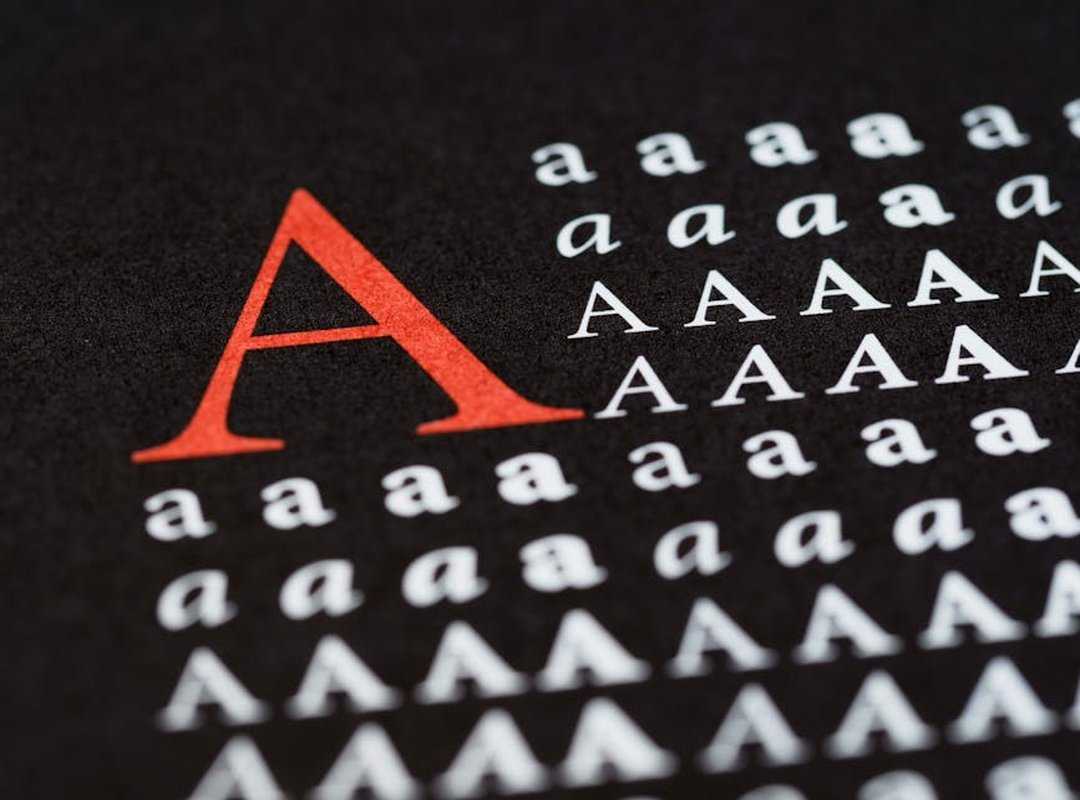
Finding the right images can be a real pain. I’ve spent hours scrolling through stock photo sites, only to end up with something that looks like it was taken in 1995. Dark:ih71b_rxy_k= imagenes aesthetic is a great way to go for a modern, clean look.
| Source | Type of Images | Licensing |
|---|---|---|
| Pexels | High-quality photos | Royalty-free |
| Unsplash | Professional-grade photos | Royalty-free |
| Canva | Vectors and graphics | Royalty-free with Canva Pro |
Editing is key. I once used an image straight from a stock site without any edits. It looked out of place and unprofessional.
Basic editing techniques like cropping, adjusting brightness, and adding filters can make a huge difference.
Consistency is crucial. One time, I mixed different styles in a single project. It was a disaster.
People got confused, and the whole thing looked amateurish. Stick to a consistent style across all your visuals. Trust me, it’s worth the effort.
Creating Engaging Social Media Visuals
Platform-Specific Tips
When it comes to social media, one size doesn’t fit all. Each platform has its own vibe and audience. For Instagram, focus on high-quality, visually appealing images.
Twitter is more about quick, engaging content, and facebook? It’s a mix of both, but with a bit more room for longer posts.
Storytelling
Visuals are a powerful way to tell a story. Use them to create a narrative that resonates with your audience. Think about the message you want to get across and how you can use images to make it more compelling.
(Sometimes, a single image can say more than a thousand words.)
Interactive Elements
Adding interactive elements like polls, quizzes, and stickers can boost engagement. These features make your content more fun and interactive. Plus, they give you valuable insights into what your audience likes.
dark:ih71b_rxy_k= imagenes aesthetic
I’m not going to pretend I have all the answers. The world of social media is always changing, and what works today might not work tomorrow. But by staying flexible and experimenting with different types of visuals, you can find what connects with your audience.
Elevate Your Content with Aesthetic Visuals
Intent Reinforcement: Recap the importance of aesthetic visuals in creating engaging and impactful content.
Visuals are not just about making things look pretty; they play a crucial role in capturing attention and conveying messages effectively.
The Solution: Summarize the key takeaways and actionable steps to improve your visual content.
Start by choosing a consistent color scheme and font style. Use high-quality images and graphics that align with your brand. Experiment with different layouts and compositions to find what works best for your audience.
Final Thought: Encourage readers to experiment and continuously refine their visual design skills.
Don’t be afraid to try new things. dark:ih71b_rxy_k= imagenes aesthetic can transform your content, making it more appealing and memorable. Keep refining and learning from each project.
 Aron Wrighthandier has opinions about gaming news and trends. Informed ones, backed by real experience — but opinions nonetheless, and they doesn't try to disguise them as neutral observation. They thinks a lot of what gets written about Gaming News and Trends, Upcoming Game Releases, Competitive Play Insights is either too cautious to be useful or too confident to be credible, and they's work tends to sit deliberately in the space between those two failure modes.
Reading Aron's pieces, you get the sense of someone who has thought about this stuff seriously and arrived at actual conclusions — not just collected a range of perspectives and declined to pick one. That can be uncomfortable when they lands on something you disagree with. It's also why the writing is worth engaging with. Aron isn't interested in telling people what they want to hear. They is interested in telling them what they actually thinks, with enough reasoning behind it that you can push back if you want to. That kind of intellectual honesty is rarer than it should be.
What Aron is best at is the moment when a familiar topic reveals something unexpected — when the conventional wisdom turns out to be slightly off, or when a small shift in framing changes everything. They finds those moments consistently, which is why they's work tends to generate real discussion rather than just passive agreement.
Aron Wrighthandier has opinions about gaming news and trends. Informed ones, backed by real experience — but opinions nonetheless, and they doesn't try to disguise them as neutral observation. They thinks a lot of what gets written about Gaming News and Trends, Upcoming Game Releases, Competitive Play Insights is either too cautious to be useful or too confident to be credible, and they's work tends to sit deliberately in the space between those two failure modes.
Reading Aron's pieces, you get the sense of someone who has thought about this stuff seriously and arrived at actual conclusions — not just collected a range of perspectives and declined to pick one. That can be uncomfortable when they lands on something you disagree with. It's also why the writing is worth engaging with. Aron isn't interested in telling people what they want to hear. They is interested in telling them what they actually thinks, with enough reasoning behind it that you can push back if you want to. That kind of intellectual honesty is rarer than it should be.
What Aron is best at is the moment when a familiar topic reveals something unexpected — when the conventional wisdom turns out to be slightly off, or when a small shift in framing changes everything. They finds those moments consistently, which is why they's work tends to generate real discussion rather than just passive agreement.