
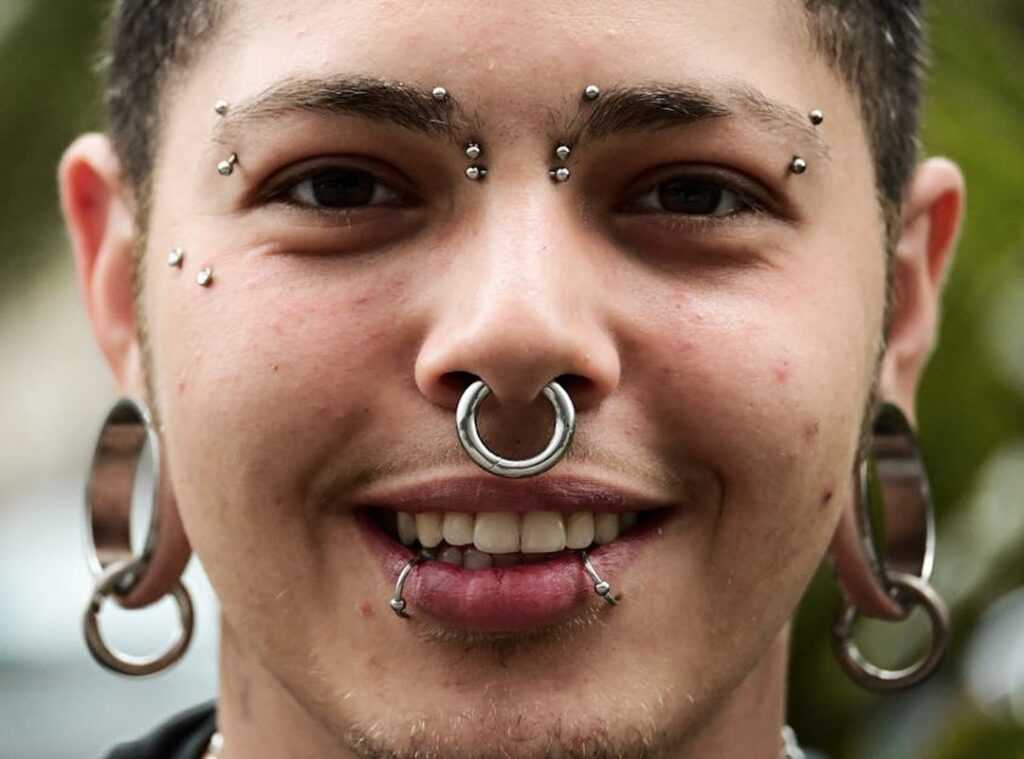
Lobotomy-inspired body piercing. It’s a term that can make you do a double take. But before you jump to conclusions, let me clarify: this is purely about aesthetic inspiration and symbolic expression.
It has nothing to do with the historical medical procedure.
What drives individuals to reclaim controversial historical concepts as forms of personal body art? That’s a question worth pondering. This article aims to explore the history, artistic interpretation, and critical safety considerations of this niche piercing concept.
We’ll dive into the intersection of history, art, and body modification. Our goal is to separate myth from reality and prioritize informed, safe practices. Let’s get started.
A Controversial Past: Understanding the Lobotomy Procedure
In the mid-20th century, the lobotomy was seen as a groundbreaking procedure. Doctors believed it could treat severe mental illnesses like schizophrenia and depression. The idea was to sever connections in the brain to calm patients who were otherwise unresponsive to other treatments.
But then there was Walter Freeman. He developed the infamous ‘ice pick’ lobotomy method. It was quick and didn’t require a hospital.
He’d insert a small tool through the eye socket and into the brain. Sounds brutal, right, and it was.
The outcomes were devastating. Many patients suffered severe side effects, including personality changes, loss of function, and even death. Families were left with loved ones who were permanently altered.
The medical community eventually condemned the procedure. It was clear that the risks far outweighed any perceived benefits.
This historical context is crucial for understanding the weight and symbolism behind a lobotomie piercing. It’s not just a piece of art; it’s a reminder of a dark chapter in medical history. We need to remember what went wrong and why.
That way, we can make sure it never happens again.
From Medical Tool to Body Jewelry: Interpreting the Aesthetic
When you think about a lobotomy, the last thing that comes to mind is body jewelry. But some artists and enthusiasts have found a way to turn this historical medical procedure into a unique and conceptual form of body art.
Potential Placements and Symbolism
A lobotomie piercing isn’t your typical body modification. It’s more about evoking an idea than following a standard. Some placements that can achieve this include a specific type of bridge piercing, a high nostril piercing, or surface piercings near the temple or orbital bone.
These areas are chosen for their visual and symbolic connection to the brain and mental health.
The symbolism here can be quite deep. For some, it might represent a rebellion against conformity, reclaiming personal autonomy, or even a fascination with medical history. It’s a way to make a statement, to say, “I’m not just another face in the crowd.”
Types of Jewelry
To really capture the essence of a lobotomy, custom-made straight or curved barbells are often used. These pieces are designed to resemble an ice pick or other historical surgical tools. The jewelry itself becomes a part of the story, adding to the overall aesthetic and meaning.
Artistic Approaches
Artists who take on this concept do so with a keen eye for detail and a deep understanding of both the historical context and the individual’s personal narrative. They might use intricate designs, specific materials, or even incorporate elements that mimic the look of old surgical instruments. It’s all about creating a piece that is both visually striking and meaningful.
This is a highly customized and conceptual piercing, not a standard, universally-named procedure. Each one is unique, tailored to the individual’s vision and the artist’s interpretation.
Final Thoughts
In the end, a lobotomie piercing is more than just a piece of jewelry. It’s a conversation starter, a symbol, and a work of art. If you’re considering something like this, make sure you find an artist who understands the depth of what you’re trying to express.
And hey, if you’re into staying ahead of the curve, check out the top gaming industry trends to watch in 2024. You never know where inspiration might strike.
Anatomy and Risk: Critical Safety Considerations

Let’s get one thing straight. Any piercing near the orbital bone, temple, or bridge of the nose carries significant risks. I’m not just saying this to scare you; it’s a fact.
- Nerve damage
- Excessive swelling
- Migration
- Rejection
- Proximity to critical anatomical structures like the eyes and sinuses
These are real dangers. Some people argue that these risks are overblown. They say, “If you go to a good piercer, you’ll be fine.” But that’s a dangerous oversimplification.
The viability of such a piercing is 100% dependent on an individual’s unique anatomy. Not everyone can get a lobotomie piercing. It’s not just about finding a skilled piercer; your body has to be compatible too.
Finding an elite, highly experienced, and reputable body piercer is non-negotiable. You need someone who understands complex anatomy, and this isn’t a job for a beginner.
Before even considering such a modification, ask these questions:
1. How many years of experience do you have with complex surface work?
2. Have you performed bridge piercings before?
How many?
3. Can you walk me through the potential risks and how you mitigate them?
Some might think these questions are too much. But trust me, they’re not. An inexperienced artist can cause serious, sometimes irreversible, damage.
Watch out for red flags. If a piercer seems dismissive of your concerns or doesn’t take the time to explain the process, run. Don’t let anyone rush you into a decision that could affect your health and appearance.
In the end, it’s your body. Make sure you’re in the best hands possible.
Expression on the Edge: The Final Word on Conceptual Piercings
The journey from a dark chapter in medical history to a modern, edgy form of body expression is a testament to human creativity and resilience. While the inspiration for lobotomie piercing is provocative, the focus in modern body art is on symbolism and aesthetics, not the act itself.
Safety, anatomical knowledge, and artist expertise are paramount and non-negotiable for any advanced piercing. This ensures that the art remains both beautiful and safe.
Body modification continues to push boundaries, challenging our perceptions of art, history, and personal storytelling.
 Aron Wrighthandier has opinions about gaming news and trends. Informed ones, backed by real experience — but opinions nonetheless, and they doesn't try to disguise them as neutral observation. They thinks a lot of what gets written about Gaming News and Trends, Upcoming Game Releases, Competitive Play Insights is either too cautious to be useful or too confident to be credible, and they's work tends to sit deliberately in the space between those two failure modes.
Reading Aron's pieces, you get the sense of someone who has thought about this stuff seriously and arrived at actual conclusions — not just collected a range of perspectives and declined to pick one. That can be uncomfortable when they lands on something you disagree with. It's also why the writing is worth engaging with. Aron isn't interested in telling people what they want to hear. They is interested in telling them what they actually thinks, with enough reasoning behind it that you can push back if you want to. That kind of intellectual honesty is rarer than it should be.
What Aron is best at is the moment when a familiar topic reveals something unexpected — when the conventional wisdom turns out to be slightly off, or when a small shift in framing changes everything. They finds those moments consistently, which is why they's work tends to generate real discussion rather than just passive agreement.
Aron Wrighthandier has opinions about gaming news and trends. Informed ones, backed by real experience — but opinions nonetheless, and they doesn't try to disguise them as neutral observation. They thinks a lot of what gets written about Gaming News and Trends, Upcoming Game Releases, Competitive Play Insights is either too cautious to be useful or too confident to be credible, and they's work tends to sit deliberately in the space between those two failure modes.
Reading Aron's pieces, you get the sense of someone who has thought about this stuff seriously and arrived at actual conclusions — not just collected a range of perspectives and declined to pick one. That can be uncomfortable when they lands on something you disagree with. It's also why the writing is worth engaging with. Aron isn't interested in telling people what they want to hear. They is interested in telling them what they actually thinks, with enough reasoning behind it that you can push back if you want to. That kind of intellectual honesty is rarer than it should be.
What Aron is best at is the moment when a familiar topic reveals something unexpected — when the conventional wisdom turns out to be slightly off, or when a small shift in framing changes everything. They finds those moments consistently, which is why they's work tends to generate real discussion rather than just passive agreement.