
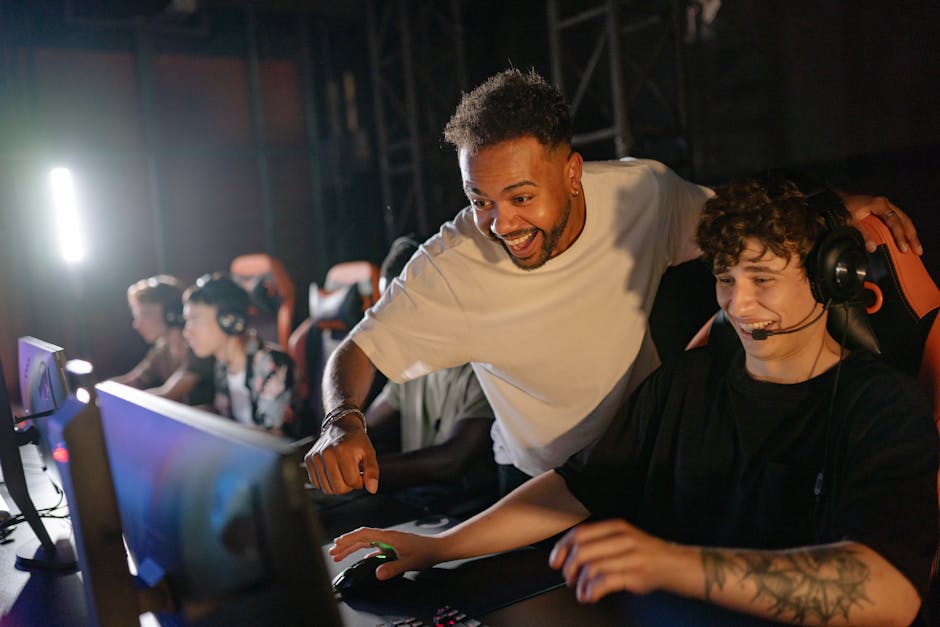
The Unseen Edge: How Coaches Impact Team Performance
In competitive gaming, it’s easy to fixate on flashy plays and cracked aim. But behind nearly every top-tier team is a coach shaping the grind behind the scenes. They don’t get cameras in their faces or fan chants in arenas. Still, they’re often the difference between a stacked roster and a winning one.
A good coach in esports is part analyst, part therapist, part tactician. They break down gameplay habits, manage egos, tighten strategy, and make brutal calls when needed. Unlike the early days—where coaching was spotty or non-existent—modern esports coaching has matured fast. Teams now invest in full coaching staffs, sometimes with backgrounds in traditional sports or data analytics. It’s not just about scrims and VOD reviews anymore. It’s holistic: mindset sessions, structured practice routines, tailored feedback loops.
Pros don’t just play harder; they train smarter. And that edge, invisible to most fans, is rewriting the win conditions.
Inside the Comms: How Pro Scrims Really Sound
Shotcalling: More Than Just Noise
In professional scrims, shotcalling isn’t chaotic yelling—it’s structured, intentional, and deeply ingrained in a team’s identity. The best teams develop a shared vocabulary that enables them to communicate with speed and precision.
- Primary Shotcaller: Often the in-game leader (IGL), responsible for macro decisions like rotations, tempo, and team fights.
- Secondary Voices: Flex players or support roles often relay micro-information, positioning updates, or enemy cooldowns.
- Critical Moments: Efficient comms ramp up during clutch phases—key instructions are short, clear, and non-negotiable.
Coaching the Language of Success
Coaches play a crucial role in shaping a team’s communication style. It goes beyond game knowledge—it’s about creating consistency, clarity, and cohesion under pressure.
- Drilling Terminology: Teams often work with defined callout systems to minimize confusion.
- Establishing Roles: Coaches assign who speaks when and about what, eliminating comms overlap.
- Enforcing Discipline: Good communication means knowing when not to talk. Silence is sometimes the most strategic choice.
Feedback Loops That Actually Work
Pro teams don’t just review scrims for mechanical plays—they dissect communication lapses and wins.
- Live Correction: Coaches may pause scrims or conduct brief timeouts to address communication gaps in real-time.
- VOD Review: Teams listen to scrim audio alongside gameplay to analyze clarity, tone, and timing of calls.
- Self-Regulation: Players are trained to spot when their own comms are unclear or disruptive and adjust on the fly.
Consistent, well-trained communication is one of the defining traits of elite-level teams. It’s not just about mechanics—it’s about speaking the same language, at the right time, under pressure.
Confidence under pressure isn’t optional—it’s the rule. In competitive environments, especially in high-stakes matches, mental resilience separates the elite from the average. Coaches know this, and they’re training the mind as much as the body.
One go-to tactic is scenario training. Put an athlete in a simulated high-stress situation—match point, penalty shot, final serve—and let the brain adapt. Repetition builds comfort. Coaches also use controlled chaos drills, randomly adding pressure with time limits, crowd noise, or surprise variables to keep players mentally agile.
Visualization is another staple. Athletes run plays in their heads, over and over. The brain learns cues and stays calm when the real moment hits. It’s not woo-woo—it’s mental reps.
Then there’s decision-speed training. In sports like soccer or basketball, players run tight drills with rapid-fire options. Pass, shoot, hold? The faster you decide under duress, the better your edge.
The goal? Make pressure familiar. You don’t rise to the occasion—you fall to the level of your training. So train smart, train under stress, and keep the head clear when it counts.
Pros Thrive in Structure—Why Routines Matter
Top vloggers don’t wing it. They build routines that strip away decision fatigue and make creativity a habit, not a gamble. Structure isn’t a cage—it’s the launchpad. Whether it’s setting aside morning hours for scripting, blocking shoot windows, or batch-editing on Fridays, having a predictable rhythm keeps content flowing even when motivation dips.
Pre-game prep is real. The best creators don’t just hit record—they get mentally and technically ready. That might mean a short scripting session, a lighting check, or even just a coffee-fueled walkthrough of the day’s shot list. And after the recording? There’s the cool-down: reviewing footage, noting what worked, and logging ideas for next time. Fast feedback loops build muscle memory over time.
Here’s the kicker: consistency beats talent when talent doesn’t show up. Staying regular isn’t glamorous, but it’s reliable—and in the algorithm’s eyes, reliability is gold. The pros know this. That’s why they keep it tight, stay on schedule, and treat improvement like reps in the gym. Not flashy, just effective.
The Role of Performance Analytics in Competitive Gaming
Tracking your kill/death ratio? That’s the bare minimum now. Elite teams are taking analytics to the next level—monitoring reaction time data, movement efficiency, tactical decision-making windows, and even communication pacing. Every second matters, and the real gains are in the details most casuals never consider.
Day to day, top squads track scrim habits, heat maps, and error patterns. They’re looking at how quickly players adapt under pressure and how reliably they stick to team strategy under stress. It’s less about being flashy and more about being predictable—in a good way.
Self-review is the secret weapon. The best players watch their own footage as much as they play, breaking down moments they hesitated, overextended, or missed a clutch. It’s not glamorous, but it gets results fast. This kind of feedback loop levels you up ahead of even raw talent.
More than a trend, this is part of the industry’s evolution toward precision and professionalism—part of the bigger shift outlined in this forecast.
Competitive Gamers Are Training Like Athletes Now
The days of pulling all-nighters on energy drinks and chips are fading fast. Top-tier vloggers in the gaming space—and the pros they follow—are taking a more disciplined approach. Think structured sleep, balanced meals, daily movement, and recovery routines you’d expect from marathoners or footballers, not joystick warriors.
It’s about performance. Tournaments are high-stakes, high-pressure environments, and fragging out for hours on end requires stamina and sharp focus. That doesn’t happen by chance. Many creators are investing in coaches, not just for esports skills, but for life skills: mindfulness training, meal plans, gym sessions, and rest protocols.
The rise of lifestyle coaching in gaming isn’t fluff; it’s edge. Teams and solo players alike are seeing competitive payoffs—and vloggers who show that behind-the-scenes grind are pulling in viewers hungry for both authenticity and aspirational habits.
This shift also opens the door for a whole new content lane. Gamers documenting their training regimens aren’t just showing off skills—they’re building brand trust and expanding their appeal outside the core gaming audience.
If You’re Not Improving, Your Habits Are
Growth doesn’t happen by accident. In 2024, the vloggers pulling ahead are the ones treating their craft like a muscle—training with purpose. That means ditching autopilot uploads and drilling reps that actually stretch skills: better transitions, tighter scripts, sharper hooks. Quantity without reflection is a loop, not a ladder.
Put another way: focused reps beat long grinds. Ten solid videos where you test a new structure or pacing trick teach you more than posting thirty with no plan. Efficiency matters, but intention matters more.
And here’s the cold truth—most creators spend too much time watching other people’s highlight reels and not enough time analyzing their own plays. Your VODs? Pure gold. Rewatch them. See where energy dips, when your delivery stalls, or how intros land. Trends help, sure. But your greatest algorithm is feedback from yourself.
Level Up Like a Pro: The Mindset Behind Better Play
Improving your game isn’t just about grinding—it’s about getting smarter with your approach. Pros don’t just play more; they reflect, analyze, and constantly adapt. Here’s how to bring that mentality into your own routine.
Spot the Gaps in Your Gameplay
The fastest way to improve? Find your weak points and work on them strategically.
- Watch your replays with an objective eye
- Compare your habits to higher-tier players
- Look for consistent mistakes or hesitation patterns
- Focus your next few sessions on one area at a time
Build Progress Weekly
Trying to make a dozen changes all at once leads to frustration and plateaus. Instead, follow a “one-tip-per-week” plan:
- Pick one new strategy, setting, or decision-making habit
- Spend the entire week applying just that change
- Stack a new tip each week to build consistent growth over time
Stay Coachable
Plateauing often comes down to mindset, not mechanics. Even top players keep learning—and so should you.
- Stay open to constructive feedback
- Watch tutorials to challenge assumptions you haven’t questioned
- Join communities where you can swap insight and perspectives
- Ask yourself: “Where can I be more open to learning this week?”
Leveling up doesn’t happen by accident. It’s the result of focused, intentional adjustments—done consistently over time.
 Barbara Goodebenics has opinions about upcoming game releases. Informed ones, backed by real experience — but opinions nonetheless, and they doesn't try to disguise them as neutral observation. They thinks a lot of what gets written about Upcoming Game Releases, Competitive Play Insights, Sticky Game Strategies is either too cautious to be useful or too confident to be credible, and they's work tends to sit deliberately in the space between those two failure modes.
Reading Barbara's pieces, you get the sense of someone who has thought about this stuff seriously and arrived at actual conclusions — not just collected a range of perspectives and declined to pick one. That can be uncomfortable when they lands on something you disagree with. It's also why the writing is worth engaging with. Barbara isn't interested in telling people what they want to hear. They is interested in telling them what they actually thinks, with enough reasoning behind it that you can push back if you want to. That kind of intellectual honesty is rarer than it should be.
What Barbara is best at is the moment when a familiar topic reveals something unexpected — when the conventional wisdom turns out to be slightly off, or when a small shift in framing changes everything. They finds those moments consistently, which is why they's work tends to generate real discussion rather than just passive agreement.
Barbara Goodebenics has opinions about upcoming game releases. Informed ones, backed by real experience — but opinions nonetheless, and they doesn't try to disguise them as neutral observation. They thinks a lot of what gets written about Upcoming Game Releases, Competitive Play Insights, Sticky Game Strategies is either too cautious to be useful or too confident to be credible, and they's work tends to sit deliberately in the space between those two failure modes.
Reading Barbara's pieces, you get the sense of someone who has thought about this stuff seriously and arrived at actual conclusions — not just collected a range of perspectives and declined to pick one. That can be uncomfortable when they lands on something you disagree with. It's also why the writing is worth engaging with. Barbara isn't interested in telling people what they want to hear. They is interested in telling them what they actually thinks, with enough reasoning behind it that you can push back if you want to. That kind of intellectual honesty is rarer than it should be.
What Barbara is best at is the moment when a familiar topic reveals something unexpected — when the conventional wisdom turns out to be slightly off, or when a small shift in framing changes everything. They finds those moments consistently, which is why they's work tends to generate real discussion rather than just passive agreement.