
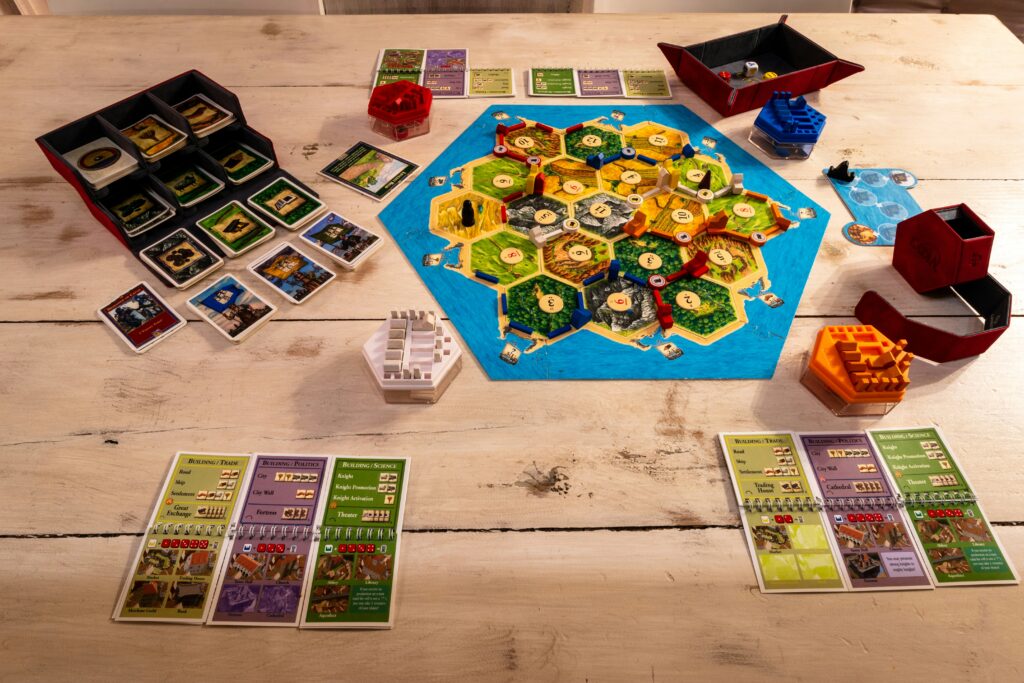
Finding Your Flow in a Massive Sandbox
Open-world games offer freedom—but that freedom can quickly become overwhelming. To get the most out of your journey, shaping your own playstyle is key.
Define Your Playstyle Early
The sandbox is yours to explore, but that doesn’t mean you need to dabble in everything. Are you a stealthy explorer? A side quest addict? A straight-to-the-point main quest finisher? Identifying your preferred approach early helps make choices with more confidence.
- Prefer combat? Prioritize weapon upgrades and faction alliances.
- Love stories and lore? Seek out NPCs with rich dialogue options.
- Completionist? Keep an eye on collectibles and challenges from the start.
Side Quests vs. Core Story: Picking Your Battles
Not every quest adds value—and not every distraction is a waste of time. It’s smart to be intentional about when to follow the main path and when to wander off.
When to prioritize the main story:
- You’re unlocking core mechanics that make side quests easier
- You want momentum or narrative progression
When to dive into side quests:
- You need experience points, money, or gear
- You’re exploring a new area anyway, and side content is nearby
- You’re in it for worldbuilding and fun distractions
Tip: Don’t feel required to do every side quest now. Some will still be there later—focus on those that enhance your current playstyle.
Mastering In-Game Tools to Stay on Track
It’s easy to get lost in the sprawl of a huge game world. Thankfully, most modern open-world titles give you helpful tools. Use them well to avoid burnout or aimless wandering.
- Maps: Mark custom waypoints, and always open up key locations early
- Quest Journals: Sort quests by type or suggested level to avoid backtracking
- Fast Travel: Use sparingly to save time, but don’t miss organic exploration along the way
Being strategic with in-game navigation helps you explore smarter—not just faster. When you own your path, every play session feels rewarding instead of random.
Micro-Niching for Loyal, High-Intent Audiences
This isn’t a race to go viral anymore—it’s about going deep. Power-leveling your channel with mass-appeal content might get you a spike, but it rarely builds a foundation. Instead, 2024 is the year to lean into steady exploration. The vloggers who are thriving are the ones who know their niche—and work it hard. Think “urban gardening for renters,” “solo travel with chronic illness,” or “broke fashion flips.” Specific is sticky.
Spotting high-reward opportunities early matters. Ask: Where is there passion but not saturation? Who’s underserved? That’s where loyalty is built. A smaller, smarter audience that shows up, comments, and buys is worth more than tens of thousands of silent subs. Vloggers who dive into under-tapped niches tend to find fewer competitors, clearer monetization paths, and stronger word-of-mouth momentum.
Still, it’s easy to burn out trying to do everything right. Managing digital “loot”—your footage, gear, ideas, editing timelines—along with mental resources takes discipline. Set sustainable upload schedules. Recycle content smartly. Kill what doesn’t serve. Micro-niching isn’t small—it’s focused, and it weeds out the fluff. That’s the real power play in 2024.
Open-world games grab you the moment you step in. It’s the freedom. The sense that you can go anywhere, chase anything, get lost for hours without touching the main story. That sandbox structure taps into something primal—it makes the player feel in charge, like every choice matters, even if it’s just wandering into caves for loot or poking around dusty towns for side quests.
But here’s the rub: too much freedom, and games start to drown themselves. What begins as immersive turns into a grind. You’ve cleared ten outposts, collected fifty glowing mushrooms, helped fifteen minor NPCs find their missing pets—and somehow you’re still under-leveled for the next story mission. That’s the grind trap. Content for content’s sake, systems stacked deep but not wide. Fun turns into checklist fatigue.
The sweet spot? Worlds that reward curiosity but respect your time. Developers who understand that endless doesn’t mean engaging. The best open-world games in 2024 are starting to learn this: they give you space, but they guide you just enough. They offer progression that feels earned, not extracted. And they remind you that you’re playing a game—not clocking into a second job.
Balancing Upgrades, Skill Trees, and Challenge in Game Design
Creating systems for upgrades, gear, and skill progression can make or break a game’s longevity. Players crave meaningful growth—but that growth must be balanced against overall difficulty and long-term engagement.
Making Upgrades Meaningful
When every new weapon or ability feels different and impactful, players stay invested. Present upgrades as strategic choices that influence playstyle rather than linear improvements that simply add power.
- Design with trade-offs: give players meaningful pros and cons
- Introduce new mechanics or interactions with each major upgrade
- Make visual and audio feedback satisfying for each progression point
Skill Trees That Keep Players Hooked
A skill tree isn’t just a menu—it’s a storytelling device. It reflects a character’s journey, and when designed well, it also allows players to express themselves.
- Diversify paths: offer multiple viable builds from the start
- Unlock abilities that encourage creative problem-solving
- Time unlocks around story beats or difficulty spikes for more impact
Avoiding Early Overpowering
It’s tempting to reward players quickly, but too much power too fast can flatten the experience. Difficulty should evolve with progression, making upgrades feel necessary rather than optional.
- Space out powerful gear or abilities
- Use enemy scaling to maintain tension
- Introduce new challenges alongside new power-ups
Keeping Challenge and Fun in Sync
Challenge should enhance enjoyment, not hinder it. Smart difficulty progression keeps players engaged without frustrating them. Striking that balance is key.
- Use pacing: alternate between moments of ease and tension
- Let player choice determine difficulty spikes—optional bosses, timed events, etc.
- Avoid grind walls by integrating natural progression through gameplay
A successful system makes players feel clever and powerful, not invincible. The goal is to reward investment while preserving a sense of danger. When done right, upgrades and skill trees become not just systems—but storytelling tools that power the entire player journey.
Not all gameplay is created equal. Some games grab you and never let go. Others feel like digital chores dressed in shiny graphics. The line between engaging and repetitive lies in how the experience evolves—or doesn’t.
Engaging gameplay gives you choices, stakes, and a sense of discovery. You’re not just unlocking stuff, you’re shaping how the story or world unfolds. Repetitive loops, on the other hand, usually boil down to actions that look different but feel the same. Kill, collect, upgrade. Repeat.
A lot of that isn’t accidental. Developers build progression systems that trigger reward centers in your brain. XP bars, loot boxes, dopamine hits for doing just enough to keep you going. When too well-executed, these systems can feel like manipulation masked as fun.
Signs you’ve slipped into auto-pilot? You’re farming resources without knowing why. You keep playing, not out of curiosity or challenge, but because it’s routine. You forget what the goal even is—or if there ever was one.
The best games make you care. The rest just make you click.
How Others Are Beating the Grind (and Still Enjoying It)
Grinding out content doesn’t have to feel like a second job—at least, not for those who’ve found smarter ways to play the game. Some creators are rethinking the entire hustle, dialing back quantity in favor of well-crafted, lower-frequency uploads that actually nourish their community. Weekly drop schedules, themed mini-series, or even limited “season” formats keep things fresh without burning through time or creativity.
Then there’s the mod culture and community-driven rulesets. Think challenge-based vlogging (like the 30-day no-edit challenge), creator swaps, or audience-led narrative branches. On the tech side, popular tools like auto-captions, AI thumbnails, or repurposing scripts from live chats into posts are turning what used to be heavy lifts into manageable workflows. Small tweaks, big save on energy.
Player-made challenges are also kicking boredom to the curb. We’re talking backlog-only months, subscriber-driven content polls, or only-filmed-on-a-flip-phone edits. These self-imposed constraints aren’t just fun—they’re also great engagement magnets. When your audience knows the game you’re playing, they’re more likely to get invested in the outcome.
The grind isn’t going anywhere. But the best creators? They’re bending it to fit their pace.
Knowing When to Pause—or Quit—a Game
Playing Doesn’t Always Mean Winning
Video games are meant to entertain, challenge, and inspire—but sometimes, continuing to play a game can feel more like a chore than a thrill. One of the most valuable skills a gamer can develop is knowing when to step away.
- Not every game needs to be finished to be enjoyed
- Forcing progress can damage your overall enjoyment of gaming
- Recognizing fatigue or boredom is key to maintaining a healthy relationship with play
Taking a Step Back Can Rekindle Joy
Contrary to what grind culture might suggest, pausing a game doesn’t equal failure. In fact, returning to a game after a break can often reignite the original excitement that made it fun in the first place.
- Time off can bring a fresh perspective
- Breaks help avoid burnout and refresh your interest
- Revisiting a game later can deepen your appreciation for it
Watch Out for the Sunk-Cost Trap
It’s easy to keep playing a game simply because you’ve already invested hours into it—but that’s the sunk-cost fallacy in action. Don’t let past time spent force you to keep playing something that no longer serves you.
- Time already spent doesn’t justify continued frustration
- Letting go of a game can free you up for better experiences
- Focus on what currently brings you joy, not what used to
Giving yourself permission to pause—or even quit—can lead to a healthier, more meaningful gaming journey.
Recognizing When a Game’s “Content” Starts Wasting Your Time
It starts slow. A quest here, a daily login there. Before you know it, you’re knee-deep in a list of tasks that feel more like work than play. Games are designed to keep your attention, but not all content is created with your time in mind. Recognize the red flags: repetitive fetch quests, pointless grinding, and shiny loot that adds no value except to keep you inside the loop. If you feel like you’re checking boxes instead of having fun, hit pause.
Checklist fatigue is real. That moment when you finish a gaming session and feel more drained than relaxed? That’s your cue. Don’t be afraid to skip dailies, let streaks die, or simply walk away from side content that doesn’t add much. You’re not a bad gamer—you’re being smart with your time.
To keep your play sessions meaningful, aim for intention over obligation. Set a small goal before you boot up: finish a story chapter, explore a new area, laugh with friends. Reframe your time in-game as something you control, not something that controls you. At the end of the day, games should give back more than they take.
Keep the Magic Alive: Avoid Turning Play Into Work
Play Should Be Fun—Not a Grind
One of the fastest ways to lose interest in a game is to turn it into a checklist of chores. Whether you’re crafting gear, grinding levels, or chasing completion milestones, it’s easy to fall into the trap of treating gameplay like a job. Don’t let that happen.
- Avoid obsessively min-maxing every decision
- Allow space for exploration and improvisation
- Focus on playstyles and goals that genuinely excite you
Build Sustainable Habits
Gaming is at its best when it remains engaging over time. That means setting some boundaries to keep things fun without burning out.
- Take regular breaks to avoid fatigue
- Set personal goals that you can change or pause without guilt
- Mix in different types of gameplay sessions: quick, casual runs vs. long, immersive sessions
Protect the Joy of Discovery
The magic of gaming often lies in the unexpected—those moments of surprise, challenge, or connection that keep you coming back.
- Don’t rush through content just to keep up with others
- Leave room for wonder: uncover secrets, experiment, and try losing on purpose
- Engage with the narrative or world-building if that’s part of what you love
Bonus Resource:
Learn to dodge common pitfalls with this helpful guide: 10 Mistakes New Players Make and How to Avoid Them
Remember: The most rewarding games are the ones that feel like play, not pressure.
 Aron Wrighthandier has opinions about gaming news and trends. Informed ones, backed by real experience — but opinions nonetheless, and they doesn't try to disguise them as neutral observation. They thinks a lot of what gets written about Gaming News and Trends, Upcoming Game Releases, Competitive Play Insights is either too cautious to be useful or too confident to be credible, and they's work tends to sit deliberately in the space between those two failure modes.
Reading Aron's pieces, you get the sense of someone who has thought about this stuff seriously and arrived at actual conclusions — not just collected a range of perspectives and declined to pick one. That can be uncomfortable when they lands on something you disagree with. It's also why the writing is worth engaging with. Aron isn't interested in telling people what they want to hear. They is interested in telling them what they actually thinks, with enough reasoning behind it that you can push back if you want to. That kind of intellectual honesty is rarer than it should be.
What Aron is best at is the moment when a familiar topic reveals something unexpected — when the conventional wisdom turns out to be slightly off, or when a small shift in framing changes everything. They finds those moments consistently, which is why they's work tends to generate real discussion rather than just passive agreement.
Aron Wrighthandier has opinions about gaming news and trends. Informed ones, backed by real experience — but opinions nonetheless, and they doesn't try to disguise them as neutral observation. They thinks a lot of what gets written about Gaming News and Trends, Upcoming Game Releases, Competitive Play Insights is either too cautious to be useful or too confident to be credible, and they's work tends to sit deliberately in the space between those two failure modes.
Reading Aron's pieces, you get the sense of someone who has thought about this stuff seriously and arrived at actual conclusions — not just collected a range of perspectives and declined to pick one. That can be uncomfortable when they lands on something you disagree with. It's also why the writing is worth engaging with. Aron isn't interested in telling people what they want to hear. They is interested in telling them what they actually thinks, with enough reasoning behind it that you can push back if you want to. That kind of intellectual honesty is rarer than it should be.
What Aron is best at is the moment when a familiar topic reveals something unexpected — when the conventional wisdom turns out to be slightly off, or when a small shift in framing changes everything. They finds those moments consistently, which is why they's work tends to generate real discussion rather than just passive agreement.