
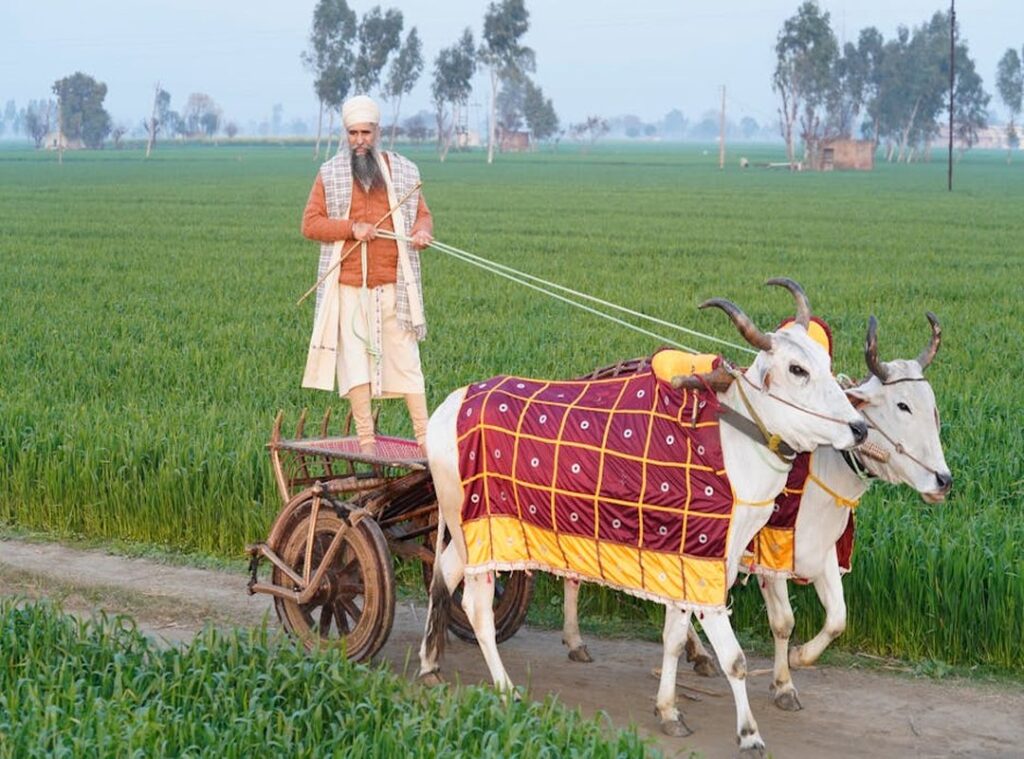
When you think of Punjab, the first things that might come to mind are vibrant festivals, rich cuisine, and bustling cities. But there’s more to this region than meets the eye. Laltu village in Punjab is a hidden gem with a unique history and distinct identity.
I want to share with you why Laltu is worth your attention. This article will be your comprehensive guide to everything about Laltu. From its geographical coordinates to the daily life of its residents, I’ll cover it all.
You’ll get a clear and detailed picture of what makes this village so special. Trust me, by the end, you’ll see why Laltu village in Punjab is a place you should know about.
Where Exactly is Laltu Village?
Laltu village is located in the SAS Nagar – Mohali district, specifically in the tehsil of Kharar. It’s a small but well-connected area in Punjab.
If you’re coming from Mohali, it’s just about 10 kilometers away. Chandigarh, the capital city, is a bit further at around 15 kilometers. Zirakpur, another notable town, is roughly 12 kilometers from Laltu.
- Proximity to major cities:
- Mohali: 10 km
- Chandigarh: 15 km
- Zirakpur: 12 km
The village is nestled in the broader Punjab region, which is known for its rich agricultural land. Unlike some other villages, Laltu doesn’t have a major river or canal running through it, but it’s close to the Sutlej River, which is a significant water source in the area.
When it comes to getting there, the main route is National Highway 7 (NH7). This road is well-maintained and connects Laltu to the major cities and towns nearby.
- Main transportation routes:
- NH7: Connects Laltu to Mohali, Chandigarh, and Zirakpur
For easy identification and logistical purposes, the pin code for Laltu village is 140301.
Understanding the location of laltu village in punjab can help you make better decisions, whether you’re planning a visit or looking to understand the local geography.
The Historical Roots and Heritage of Laltu
Laltu, a village with a name that echoes through time. Ever wondered where it came from? Some say it’s named after a local hero, Laltu, who once defended the village from invaders.
But that’s just one of the many stories passed down through generations.
The village’s history is a tapestry of events. It was established in the 15th century, a time when the Punjab region saw the rise and fall of various empires. Over the centuries, Laltu has witnessed the Mughal era, the Sikh Empire, and British colonial rule.
Each period left its mark on the village, shaping its culture and traditions.
One significant event was the partition of India in 1947. This upheaval led to a massive migration, and Laltu, like many other villages, saw a shift in its demographics. The population changed, but the spirit of the community remained strong.
Historical figures and families have played a crucial role in Laltu’s identity. The Singh family, for instance, has been instrumental in the village’s development. They’ve built schools, supported local businesses, and maintained the village’s infrastructure.
Old structures and religious sites are a testament to Laltu’s rich past. The ancient gurdwara, for example, stands as a symbol of the village’s spiritual heritage. It’s not just a place of worship; it’s a gathering spot for the community, especially during festivals and celebrations.
Religious sites like these have been central to the village’s social fabric. They’ve provided a sense of continuity and belonging, even as the world around them changed.
Understanding the broader historical context is key. The Punjab region’s turbulent history, including invasions, wars, and political changes, has had a profound impact on laltu village in punjab. These events shaped the village’s development, influencing everything from its architecture to its cultural practices.
In the end, Laltu’s history is a story of resilience and adaptation. Despite the challenges, the village has thrived, preserving its heritage while embracing the future. laltu village in
A Glimpse into Daily Life and Culture

Laltu village in Punjab is a close-knit community. The primary residents are Punjabi-speaking, with a strong sense of tradition and family.
Agriculture is the backbone of the local economy. Many families have been farming for generations. But lately, some young people are starting small businesses, like grocery stores and repair shops.
This shift is bringing new opportunities to the area.
Vaisakhi and Lohri are the major festivals here. These celebrations bring the whole village together. People gather, sing, dance, and share meals.
It’s a time when everyone feels connected.
Social customs in Laltu village are deeply rooted. Respect for elders and community support are key. Community gatherings, like weddings and religious events, are always lively and full of warmth.
The village has a few basic schools and a small healthcare center. These facilities, while not state-of-the-art, serve the essential needs of the villagers. There’s also a community center where people meet for social and cultural activities.
Lifestyle in Laltu village is a blend of traditional rural values and modern influences. You’ll see farmers using smartphones to check weather updates. Younger folks often travel to nearby urban centers for work or education, bringing back new ideas and trends.
This mix of old and new keeps the village vibrant and evolving.
Key Landmarks and Visiting Information
If you’re planning to visit Laltu village in Punjab, there are a few spots you shouldn’t miss. The main Gurdwara is a must-see, not just for its spiritual significance but also for the beautiful architecture.
Right next to it, you’ll find a bustling local market where you can grab some fresh produce and chat with the friendly locals.
The best time to visit is during the cooler months, from October to March. Trust me, the summer heat can be brutal.
Getting there is pretty straightforward. From Chandigarh or Mohali, you can take a local bus, which is cheap but might take a bit longer. Taxis and private cars are more comfortable and faster, though they cost more.
Once you arrive, you’ll feel right at home. Punjabi villages are known for their warm hospitality, and Laltu is no exception. People here are genuinely welcoming and will go out of their way to make you feel like part of the community.
The Enduring Spirit of Laltu Village
Laltu village in punjab is strategically located, rich in history, and boasts a vibrant community life. Its unique story is woven into the fabric of its daily existence. More than just a point on a map, Laltu embodies the spirit and resilience of its people.
Punjab’s villages, like Laltu, offer a cultural depth that often goes unnoticed beyond the major cities. These places are living testaments to a heritage that deserves recognition and appreciation. Preserving the identity and heritage of such places is crucial for future generations.
It ensures that the stories and traditions of laltu village in punjab continue to thrive.
 Barbara Goodebenics has opinions about upcoming game releases. Informed ones, backed by real experience — but opinions nonetheless, and they doesn't try to disguise them as neutral observation. They thinks a lot of what gets written about Upcoming Game Releases, Competitive Play Insights, Sticky Game Strategies is either too cautious to be useful or too confident to be credible, and they's work tends to sit deliberately in the space between those two failure modes.
Reading Barbara's pieces, you get the sense of someone who has thought about this stuff seriously and arrived at actual conclusions — not just collected a range of perspectives and declined to pick one. That can be uncomfortable when they lands on something you disagree with. It's also why the writing is worth engaging with. Barbara isn't interested in telling people what they want to hear. They is interested in telling them what they actually thinks, with enough reasoning behind it that you can push back if you want to. That kind of intellectual honesty is rarer than it should be.
What Barbara is best at is the moment when a familiar topic reveals something unexpected — when the conventional wisdom turns out to be slightly off, or when a small shift in framing changes everything. They finds those moments consistently, which is why they's work tends to generate real discussion rather than just passive agreement.
Barbara Goodebenics has opinions about upcoming game releases. Informed ones, backed by real experience — but opinions nonetheless, and they doesn't try to disguise them as neutral observation. They thinks a lot of what gets written about Upcoming Game Releases, Competitive Play Insights, Sticky Game Strategies is either too cautious to be useful or too confident to be credible, and they's work tends to sit deliberately in the space between those two failure modes.
Reading Barbara's pieces, you get the sense of someone who has thought about this stuff seriously and arrived at actual conclusions — not just collected a range of perspectives and declined to pick one. That can be uncomfortable when they lands on something you disagree with. It's also why the writing is worth engaging with. Barbara isn't interested in telling people what they want to hear. They is interested in telling them what they actually thinks, with enough reasoning behind it that you can push back if you want to. That kind of intellectual honesty is rarer than it should be.
What Barbara is best at is the moment when a familiar topic reveals something unexpected — when the conventional wisdom turns out to be slightly off, or when a small shift in framing changes everything. They finds those moments consistently, which is why they's work tends to generate real discussion rather than just passive agreement.