
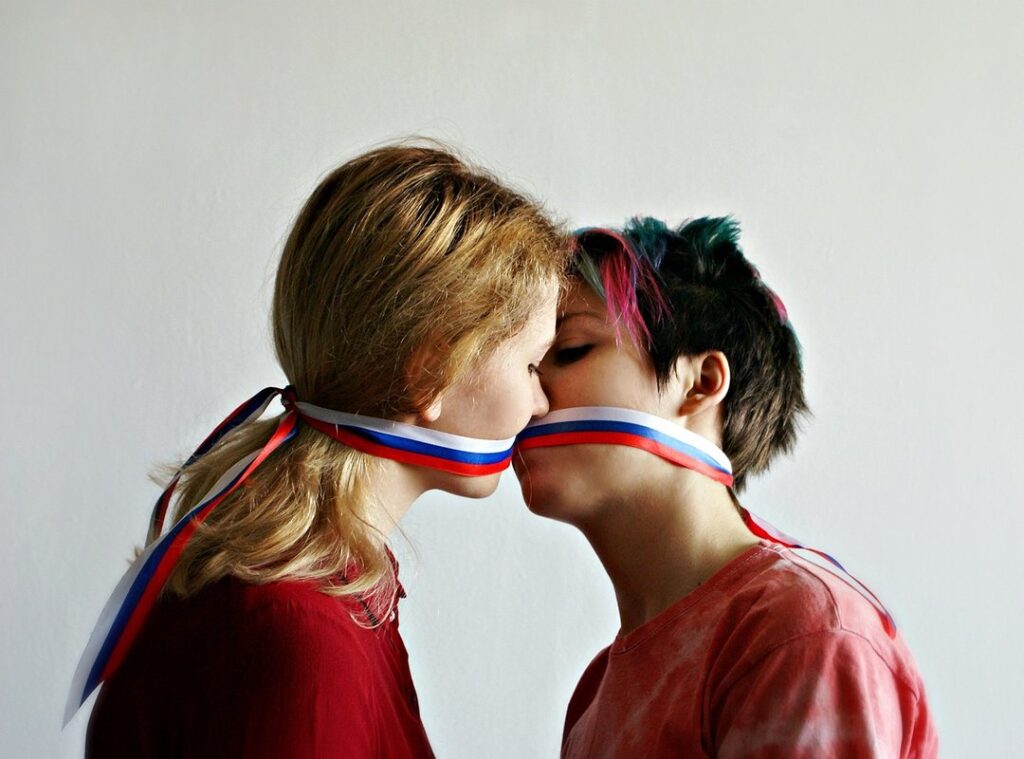
I want to talk about the unique and often complex identity of Malay lesbian individuals. It’s a topic that deserves more attention and understanding. This article aims to provide a clear, respectful, and informative overview of their experiences, challenges, and resilience.
Whether you’re questioning your own identity, an ally, or just learning, this guide is for you.
The intersection of ethnicity, culture, religion, and sexual orientation is at the heart of what we’ll explore. I promise to give you a comprehensive look into the social landscape, personal journeys, and support systems relevant to Malay lesbian individuals. Let’s dive in.
Defining Identity: What Does It Mean to Be a Malay Lesbian?
Let’s start with the basics. A Malay is an ethnic group primarily found in Malaysia, known for its distinct cultural and social norms. A lesbian is a woman who is romantically and/or sexually attracted to other women.
Intersectionality is a big word that means different parts of your identity—like being Malay and being a lesbian—don’t exist in isolation. They intersect and create a unique experience.
For many, cultural traditions and the Islamic faith play a significant role in shaping personal identity. These can sometimes clash with one’s sexual orientation, making it a complex and deeply personal journey.
Self-identification is a private and personal journey. Some may embrace the label “Malay lesbian” openly, while others might keep it more private.
Cultural expectations around femininity and family can heavily influence a Malay lesbian’s experience. For example, the pressure to conform to traditional gender roles and the importance placed on family can make it challenging to express one’s true self.
Understanding these layers can help you navigate your own identity or support someone else in their journey. It’s about finding a balance and feeling comfortable in your own skin.
Navigating Social and Familial Landscapes
I remember the first time I felt the weight of social expectations. It was at a family gathering, and my aunt kept asking when I was going to get married and have kids. It’s a common pressure in our culture, where the idea of marrying a man and starting a family is deeply ingrained.
Coming out as a malay lesbian in Malaysia is not like what you see in Western movies. It’s a quiet, often unspoken process. Many choose to keep their true selves hidden, fearing the backlash from both family and society.
Family, or keluarga, is everything in Malay culture. The fear of bringing shame, or malu, is a constant companion. You don’t want to be the one who disappoints your parents or causes them to lose face in the community.
Romantic relationships are another challenge. Being open about your partner can lead to judgment and rejection. Public acceptance is rare, and even if you find someone, keeping your relationship private is often the only way to survive.
That’s where the concept of ‘chosen family’ comes in. Close friends and supportive community members become your lifeline. They provide the acceptance and love that you might not find at home.
Many of us live a dual life, balancing our personal truth with the expectations of our families and society. It’s a delicate dance, but it’s how we find a way to be true to ourselves while still being part of the community.
The Legal and Religious Context in Malaysia
The legal landscape for LGBTQ+ individuals in Malaysia is challenging. Same-sex acts are criminalized, which can lead to significant legal and social repercussions.
Malaysia has a dual-track legal system, consisting of Civil law and Syariah (Sharia) law. Both systems can impact the lives of LGBTQ+ Muslims. Civil law applies to all citizens, while Syariah law specifically governs Muslims in personal and family matters. malay lesbian
For instance, under Syariah law, same-sex acts can be punished more severely. This creates a complex and often harsh environment for LGBTQ+ Muslims, who may face double jeopardy.
Government bodies and religious authorities play a significant role in shaping public discourse and social attitudes towards homosexuality. They often promote conservative views, which can influence how society perceives and treats LGBTQ+ individuals.
Media censorship is another issue. There’s a climate of censorship regarding LGBTQ+ themes, leading to a lack of positive representation. This can make it even harder for people to find supportive and affirming content.
This section is for informational purposes and does not constitute legal advice. It’s important to understand the broader context.
Discrimination in areas like housing, employment, and healthcare is common. Many LGBTQ+ individuals, including malay lesbian, feel compelled to be discreet about their identity to avoid these challenges.
Finding Community and Building Support Networks
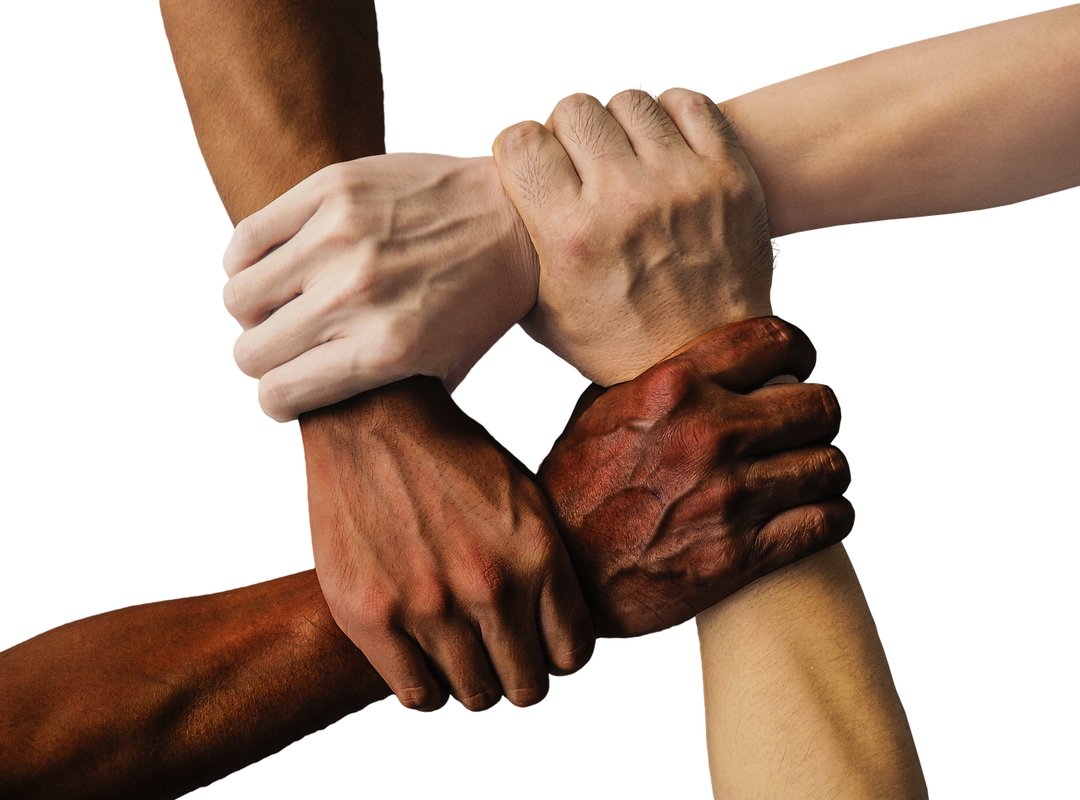
The internet and social media play a huge role in connecting Malay lesbians, offering a sense of community. Private online groups, forums, and anonymous accounts provide safe spaces for discussion and mutual support. These platforms are often the first places where individuals can express themselves freely.
Small, often discreet, grassroots organizations and community-led initiatives also exist. They provide resources and advocacy, even if they’re not always in the spotlight. These groups are vital, especially in areas where visibility is risky.
Allyship from friends, certain family members, and the broader community is crucial. It helps create pockets of safety and acceptance. Allies can make a big difference by standing up and showing support.
The resilience, strength, and creativity of the community are truly inspiring. Despite the challenges, they carve out spaces for themselves. This shows a deep commitment to building a supportive network.
Looking ahead, I predict that these online communities will only grow stronger. As more people find the courage to be open, the support networks will expand. (Of course, this is just speculation, but it’s based on the trends I’ve seen.)
| Resource | Description |
|---|---|
| Private Online Groups | Safe spaces for discussion and mutual support |
| Grassroots Organizations | Provide resources and advocacy |
In the end, it’s about creating a world where everyone feels seen and supported. The future looks hopeful, and I’m excited to see how these communities continue to thrive.
Embracing Authenticity and Fostering Understanding
Summarize the key takeaways: being a malay lesbian involves navigating a complex intersection of identities within challenging social and legal frameworks.
Reiterate the profound resilience and courage demonstrated by individuals in this community. Their stories are a testament to their strength and determination.
Reinforce the idea that understanding these unique experiences is the first step toward greater empathy and support.
End with a forward-looking statement about the importance of visibility (where safe), allyship, and continued dialogue.
Offer a final message of solidarity and validation to readers who may identify with these experiences. You are seen, you are valued, and your journey matters.
 Aron Wrighthandier has opinions about gaming news and trends. Informed ones, backed by real experience — but opinions nonetheless, and they doesn't try to disguise them as neutral observation. They thinks a lot of what gets written about Gaming News and Trends, Upcoming Game Releases, Competitive Play Insights is either too cautious to be useful or too confident to be credible, and they's work tends to sit deliberately in the space between those two failure modes.
Reading Aron's pieces, you get the sense of someone who has thought about this stuff seriously and arrived at actual conclusions — not just collected a range of perspectives and declined to pick one. That can be uncomfortable when they lands on something you disagree with. It's also why the writing is worth engaging with. Aron isn't interested in telling people what they want to hear. They is interested in telling them what they actually thinks, with enough reasoning behind it that you can push back if you want to. That kind of intellectual honesty is rarer than it should be.
What Aron is best at is the moment when a familiar topic reveals something unexpected — when the conventional wisdom turns out to be slightly off, or when a small shift in framing changes everything. They finds those moments consistently, which is why they's work tends to generate real discussion rather than just passive agreement.
Aron Wrighthandier has opinions about gaming news and trends. Informed ones, backed by real experience — but opinions nonetheless, and they doesn't try to disguise them as neutral observation. They thinks a lot of what gets written about Gaming News and Trends, Upcoming Game Releases, Competitive Play Insights is either too cautious to be useful or too confident to be credible, and they's work tends to sit deliberately in the space between those two failure modes.
Reading Aron's pieces, you get the sense of someone who has thought about this stuff seriously and arrived at actual conclusions — not just collected a range of perspectives and declined to pick one. That can be uncomfortable when they lands on something you disagree with. It's also why the writing is worth engaging with. Aron isn't interested in telling people what they want to hear. They is interested in telling them what they actually thinks, with enough reasoning behind it that you can push back if you want to. That kind of intellectual honesty is rarer than it should be.
What Aron is best at is the moment when a familiar topic reveals something unexpected — when the conventional wisdom turns out to be slightly off, or when a small shift in framing changes everything. They finds those moments consistently, which is why they's work tends to generate real discussion rather than just passive agreement.