
That dress looked perfect until you sat down.
And then (oh) god (the) bra straps showed. Or the seams dug in. Or the whole thing just… shifted.
I’ve watched it happen a hundred times. A great outfit ruined by what’s underneath.
This isn’t about buying more. It’s about knowing what works. And why.
I’ve styled people for years (not) for magazines, but real life. Real bodies. Real days where comfort and confidence matter more than perfection.
You don’t need ten bras. You need three that fit right and do their job.
The Undergarcade Guide cuts through the noise. No jargon. No guesswork.
By the end, you’ll pick the right piece for any outfit (fast.) Without second-guessing. Without discomfort.
I’ve seen it work. Now you will too.
The Foundation: Bra Styles That Actually Work
I built the Undergarcade Guide from scratch because I kept watching people buy bras like they were lottery tickets.
You know the drill. Try one. Hate it.
Try another. Repeat for six months.
That stops here.
Start with these four styles. Not suggestions. Not “nice-to-haves.” These are non-negotiables.
The T-Shirt Bra is your everyday workhorse. Molded cups. Smooth.
No seams, no ridges, no weird lines under a fitted tee. It’s not sexy. It’s functional.
And that’s why it wins.
Does yours leave a ridge under thin cotton? Then it’s not a real T-shirt bra. It’s a fraud.
I’ve tested over 40 versions. The ones that hold up have light foam (not thick padding), a band that doesn’t ride up by lunch, and wings that don’t dig in when you raise your arms.
The Undergarcade has a filter just for this (“no) visible lines guaranteed”. And I stand behind every pick.
The Bralette is wire-free. Unstructured. Soft.
It’s not “less than” (it’s) different. It’s for days you want breathability, not compression.
Wear it under an open shirt. Or alone on the couch. Don’t wear it under a tight sweater unless you like surprise nipple outlines.
Some bralettes lift. Most don’t. If you need shape, look for ones with light lining or ruching at the center.
The Strapless Bra fails 80% of the time. Why? Wrong band size.
Too much stretch. No silicone grip.
A good one hugs your ribcage like a second skin. Wide band. Full-coverage cups.
Silicone all the way around the top edge. Not just dots.
You can read more about this in Undergarcade.
If it slips after two minutes, your band is too loose. Or it’s made for someone else’s body.
The Plunge Bra solves one problem: low necklines. Deep U or V. Center gore that dips below your sternum.
It lifts up, not forward.
Don’t force a plunge into a high-neck top. It won’t work. And don’t expect magic from a $12 version off Amazon.
Fit matters more than style.
Always try on with the outfit you’ll wear it under.
Seriously. Just do it.
Smooth Comfort: Thongs, Briefs, and the VPL Wars
I used to think underwear was just underwear.
Until I wore white linen pants and a thong that decided to stage a mutiny.
Visible Panty Lines (VPL) are not a fashion statement. They’re a betrayal.
You know the moment. You glance in the mirror. There it is (a) ridge, a seam, a shadow where there should be smooth fabric.
It’s not your fault. It’s bad fit. Wrong style.
Or both.
Let’s fix that.
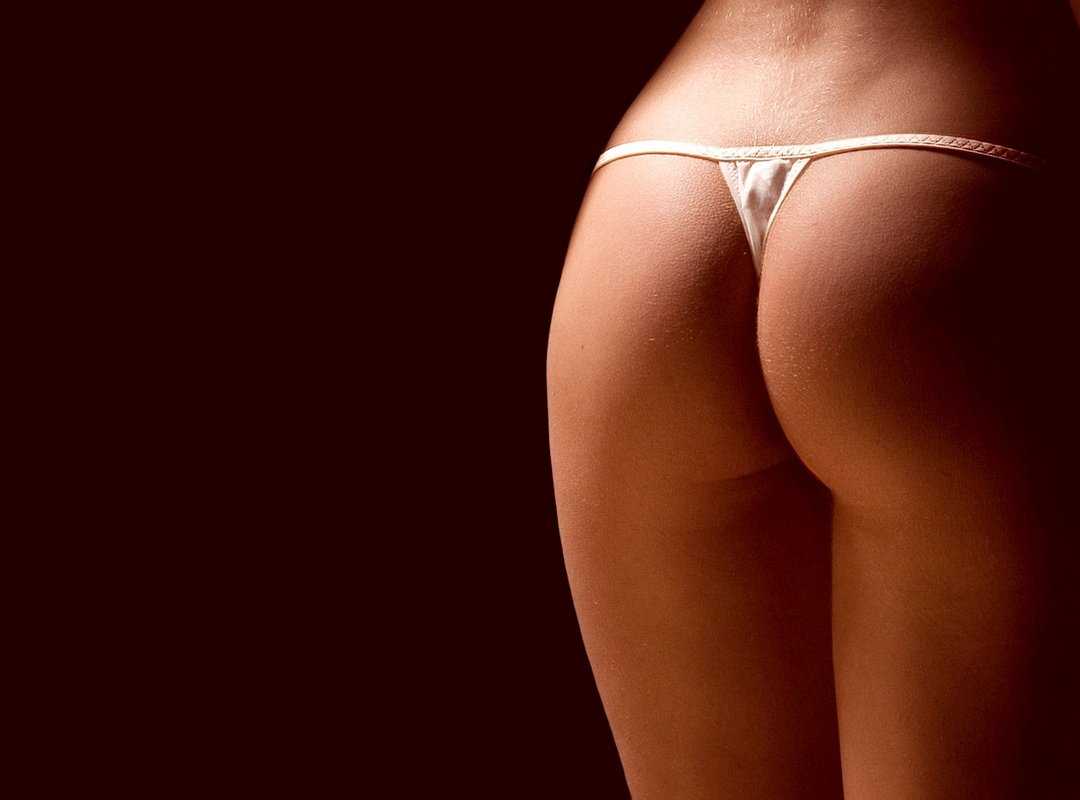
The Thong is not a dare. It’s a tool. Minimal coverage.
Zero lines under leggings, silk trousers, or bodycon dresses. If your outfit screams “look at me,” your underwear shouldn’t whisper back.
The Bikini/Hipster sits on your hips. Not too high. Not too low.
It’s the Goldilocks of underwear (comfortable) for all-day wear with jeans or A-line skirts. Not flashy. Not fussy.
Just right.
The Brief? Yes, the real brief. Not the 1987 version with elastic that bites.
Modern smooth and high-waisted briefs hold you without digging. They’re cozy. They’re clean.
They’re slowly confident.
I go into much more detail on this in Undergarcade hacks.
The Boyshort covers like a brief but has legs that go just past the hip bone. Stops chafing. Stays put under short skirts.
Feels like sweatpants made polite.
I tried boyshorts for a 10-mile hike once. No chafing. No adjusting.
Just walking.
You don’t need four pairs. You need two. Maybe three.
One for tight clothes. One for lazy days. One for when you’re wearing something that moves with you (not) against you.
This isn’t about perfection. It’s about feeling neutral in your clothes. Not thinking about your underwear every time you sit down.
If you’re still guessing, this guide breaks it down by fabric, fit, and real-life situations.
No fluff. No jargon. Just what works.
The Undergarcade Guide got me out of the VPL shame spiral.
Wear what disappears (or) what feels like second skin.
Not both. Pick one.
You’re Done. And You Know It.
I’ve been where you are. Staring at that screen. Wondering if you missed something.
You didn’t.
The Undergarcade Guide gave you what you needed (not) theory. Not fluff. Just the next right step.
You wanted clarity. Not confusion. You wanted speed.
Not delays. You wanted to get in and start playing.
That’s done.
No more guessing. No more backtracking. No more “Wait (is) this even right?”
It works. You saw it. You used it.
So now? Go play.
That’s why you opened this in the first place.
And if you hit a wall tomorrow? Come back. This guide stays sharp.
Your turn. Click play. Now.
 Aron Wrighthandier has opinions about gaming news and trends. Informed ones, backed by real experience — but opinions nonetheless, and they doesn't try to disguise them as neutral observation. They thinks a lot of what gets written about Gaming News and Trends, Upcoming Game Releases, Competitive Play Insights is either too cautious to be useful or too confident to be credible, and they's work tends to sit deliberately in the space between those two failure modes.
Reading Aron's pieces, you get the sense of someone who has thought about this stuff seriously and arrived at actual conclusions — not just collected a range of perspectives and declined to pick one. That can be uncomfortable when they lands on something you disagree with. It's also why the writing is worth engaging with. Aron isn't interested in telling people what they want to hear. They is interested in telling them what they actually thinks, with enough reasoning behind it that you can push back if you want to. That kind of intellectual honesty is rarer than it should be.
What Aron is best at is the moment when a familiar topic reveals something unexpected — when the conventional wisdom turns out to be slightly off, or when a small shift in framing changes everything. They finds those moments consistently, which is why they's work tends to generate real discussion rather than just passive agreement.
Aron Wrighthandier has opinions about gaming news and trends. Informed ones, backed by real experience — but opinions nonetheless, and they doesn't try to disguise them as neutral observation. They thinks a lot of what gets written about Gaming News and Trends, Upcoming Game Releases, Competitive Play Insights is either too cautious to be useful or too confident to be credible, and they's work tends to sit deliberately in the space between those two failure modes.
Reading Aron's pieces, you get the sense of someone who has thought about this stuff seriously and arrived at actual conclusions — not just collected a range of perspectives and declined to pick one. That can be uncomfortable when they lands on something you disagree with. It's also why the writing is worth engaging with. Aron isn't interested in telling people what they want to hear. They is interested in telling them what they actually thinks, with enough reasoning behind it that you can push back if you want to. That kind of intellectual honesty is rarer than it should be.
What Aron is best at is the moment when a familiar topic reveals something unexpected — when the conventional wisdom turns out to be slightly off, or when a small shift in framing changes everything. They finds those moments consistently, which is why they's work tends to generate real discussion rather than just passive agreement.