
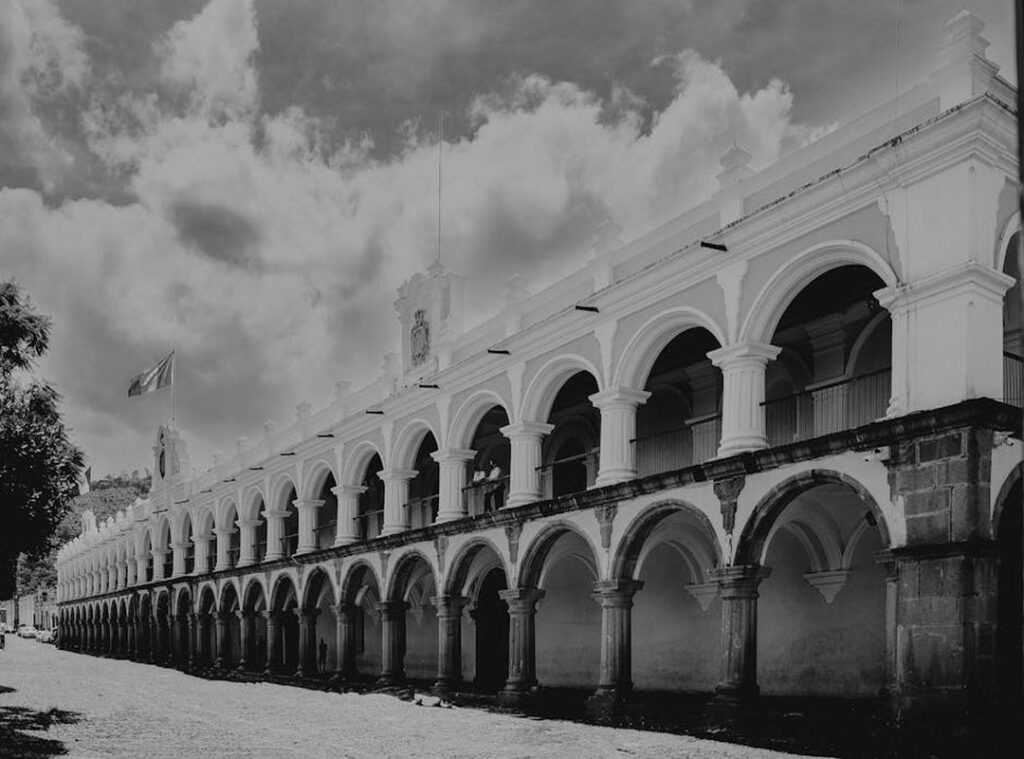
I’ve always been fascinated by the past. It’s like a window into another world, one that’s both familiar and foreign.
tartaria fotos antiguas are a treasure trove of history. They show us a side of Tartaria that many people don’t know about. These photos capture the essence of a place and time that’s often overlooked.
Why should you care, and because these images tell a story. A story of a rich and complex culture.
A story that deserves to be told and understood.
This article is all about those photographs. I’ll take you through them, providing context and explaining why they matter. You might be surprised by what you learn.
So, let’s dive in. Are you ready to see Tartaria in a new light?
The Historical Context of Tartaria
Tartaria, a region rich in history and culture, has always fascinated me. It’s located in Eastern Europe, stretching from the Carpathian Mountains to the Black Sea. The people here have a deep connection to their land, with traditions that go back centuries.
Let’s dive into the historical timeline. Understanding this context will help you appreciate the tartaria fotos antiguas even more.
14th Century:
The region starts to form distinct cultural identities. This is when the foundations of modern-day Tartaria were laid.
16th-17th Centuries:
Tartaria faces invasions and conflicts, but also sees the rise of local rulers who start to shape the area’s unique character.
18th-19th Centuries:
The Ottoman Empire exerts significant influence, leading to a blend of cultures and traditions. This period is crucial for understanding the region’s diverse heritage.
20th Century:
Tartaria experiences major political changes, including the fall of empires and the rise of new nations. This era shapes the modern landscape and its people.
Knowing this history gives you a deeper appreciation of the photographs. You’ll see not just images, but stories of resilience and change.
Understanding the past helps us connect with the present. It makes the experience of looking at these old photos much more meaningful.
Early Photography in Tartaria (1850-1900)
The emergence of photography in Tartaria was a slow but steady process. People were skeptical at first, but curiosity eventually won out.
Key Photographers: Some of the pioneering photographers who captured the first tartaria fotos antiguas were true visionaries. They saw the potential in documenting the region’s unique landscapes and culture.
One of them, let’s call him Photographer A, focused on urban scenes and portraits. He used a bulky camera and glass plates, which required a lot of patience and skill. On the other hand, Photographer B preferred natural landscapes.
He lugged his equipment into the wild, capturing stunning vistas that few had ever seen before.
Techniques and equipment varied widely. Wet plate collodion was the go-to method for many. It involved coating a glass plate with a light-sensitive emulsion, then exposing it while still wet.
This process was time-consuming and tricky, but it produced detailed, high-quality images.
Dry plate processes came later, offering more convenience. They allowed photographers to prepare plates in advance and expose them when needed. This made it easier to capture spontaneous moments and travel to remote areas.
Both methods had their pros and cons. Wet plate collodion offered superior detail and clarity, but it was cumbersome. Dry plates were more portable and user-friendly, but they sometimes lacked the same level of sharpness.
Understanding these differences is key. It helps us appreciate the effort and artistry behind those early photographs.
Photographs from the Late 19th Century (1870-1900)
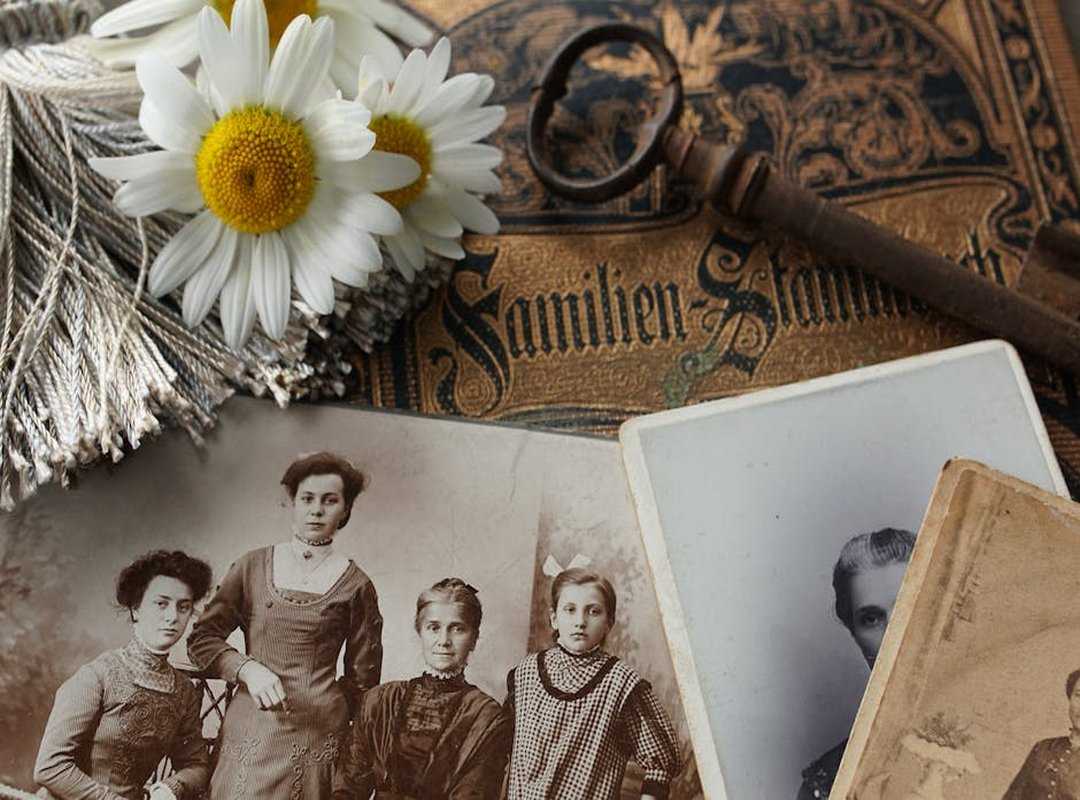
When you look at photographs from the late 19th century, it’s like stepping back in time.
Urban Landscapes: Focus on Tartaria’s cities and towns. The architectural styles and urban development of that era are fascinating. You can see how the streets were laid out, the types of buildings people constructed, and the overall city planning.
Rural Life: Don’t just stick to the cities. Check out the rural areas too. Agricultural practices, village life, and traditional customs are all captured in these images.
It gives you a sense of how people lived and worked outside the bustling cities.
Social and Cultural Events: These photos often include significant social and cultural events. Festivals, markets, and religious ceremonies are all part of the rich tapestry of life. They show the community coming together and the traditions that were important to them.
One of the best ways to explore these photographs is by looking at tartaria fotos antiguas. These collections offer a detailed glimpse into the past.
Pro tip: When you’re browsing through these old photos, try to imagine yourself there. What would it be like to live in that time? How different or similar is it to today?
If you’re into open-world games, you might find some parallels between exploring these historical photos and exploring virtual worlds. Both require a keen eye for detail and an appreciation for the environment.
how to balance fun and grind in open world games is a great resource if you want to dive deeper into that.
Photographs from the Early 20th Century (1900-1930)
Industrialization and Modernization: Document the changes brought by industrialization, including new factories, transportation, and infrastructure. You can see the transformation in the cityscapes of Pittsburgh, with towering steel mills and bustling train stations.
Social Changes: Capture the evolving social landscape, including changes in fashion, education, and daily life. The way people dressed, the schools they attended, and their everyday routines all shifted dramatically.
Take a look at tartaria fotos antiguas to see how these changes were captured in other parts of the world.
Political and Social Movements: Highlight photographs related to political movements, protests, and significant social changes. These images show the power of collective action and the struggles for rights and justice.
The Enduring Legacy of Tartaria’s Historical Photographs
The article delves into the key themes and periods of tartaria fotos antiguas, showcasing their significance. These images capture moments from various eras, providing a vivid glimpse into the past. They highlight the cultural, social, and historical aspects of Tartaria.
These photographs are not just visual records; they offer a valuable window into the past. By examining them, we can better understand and appreciate the rich history of Tartaria. Each image tells a story, revealing the lives and times of those who came before us.
Preserving these historical photographs is crucial. They are a vital part of our shared cultural heritage. Explore and cherish these images, as they connect us to our roots and the legacy of Tartaria.
 Aron Wrighthandier has opinions about gaming news and trends. Informed ones, backed by real experience — but opinions nonetheless, and they doesn't try to disguise them as neutral observation. They thinks a lot of what gets written about Gaming News and Trends, Upcoming Game Releases, Competitive Play Insights is either too cautious to be useful or too confident to be credible, and they's work tends to sit deliberately in the space between those two failure modes.
Reading Aron's pieces, you get the sense of someone who has thought about this stuff seriously and arrived at actual conclusions — not just collected a range of perspectives and declined to pick one. That can be uncomfortable when they lands on something you disagree with. It's also why the writing is worth engaging with. Aron isn't interested in telling people what they want to hear. They is interested in telling them what they actually thinks, with enough reasoning behind it that you can push back if you want to. That kind of intellectual honesty is rarer than it should be.
What Aron is best at is the moment when a familiar topic reveals something unexpected — when the conventional wisdom turns out to be slightly off, or when a small shift in framing changes everything. They finds those moments consistently, which is why they's work tends to generate real discussion rather than just passive agreement.
Aron Wrighthandier has opinions about gaming news and trends. Informed ones, backed by real experience — but opinions nonetheless, and they doesn't try to disguise them as neutral observation. They thinks a lot of what gets written about Gaming News and Trends, Upcoming Game Releases, Competitive Play Insights is either too cautious to be useful or too confident to be credible, and they's work tends to sit deliberately in the space between those two failure modes.
Reading Aron's pieces, you get the sense of someone who has thought about this stuff seriously and arrived at actual conclusions — not just collected a range of perspectives and declined to pick one. That can be uncomfortable when they lands on something you disagree with. It's also why the writing is worth engaging with. Aron isn't interested in telling people what they want to hear. They is interested in telling them what they actually thinks, with enough reasoning behind it that you can push back if you want to. That kind of intellectual honesty is rarer than it should be.
What Aron is best at is the moment when a familiar topic reveals something unexpected — when the conventional wisdom turns out to be slightly off, or when a small shift in framing changes everything. They finds those moments consistently, which is why they's work tends to generate real discussion rather than just passive agreement.